Top Tugboat Fender Options for Enhanced Marine Safety and Performance?
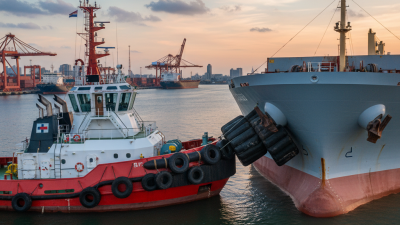
In the marine industry, safety and performance are paramount. Tugboat fenders play a crucial role in ensuring the protection of vessels during docking and maneuvering. John Harrison, an industry expert with over 25 years of experience, emphasizes, "Proper fendering can significantly reduce damage risks and improve operational efficiency."
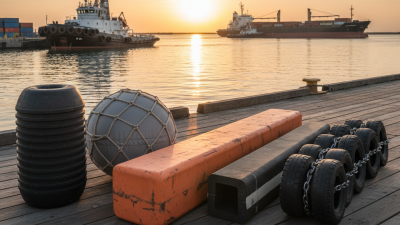
Tugboat fenders come in various designs and materials. Each option offers unique advantages. For example, foam-filled fenders provide excellent shock absorption. Meanwhile, pneumatic fenders offer versatility and are lightweight. Choosing the right fender is vital for operational success. The effectiveness of fending systems can be the difference between a smooth operation and costly repairs.
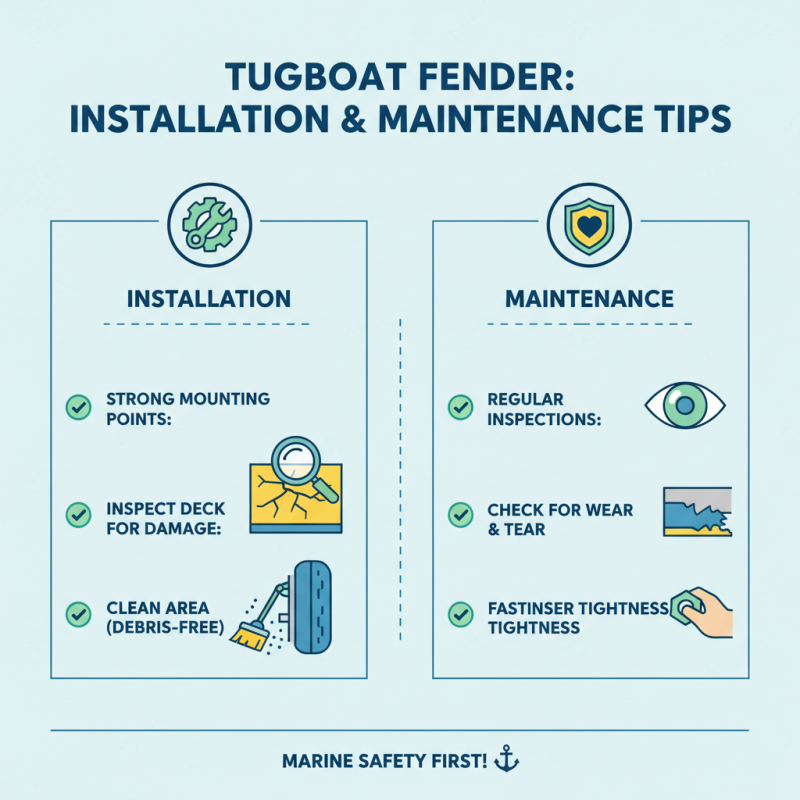
Despite advancements, the industry still faces challenges. Many operations do not fully consider the unique requirements of their environment. Proper installation and maintenance are often overlooked. Understanding these factors can help enhance safety and performance in marine operations. Selecting the ideal tugboat fender can lead to improved outcomes for all stakeholders involved.
Top Tugboat Fender Types and Their Unique Features
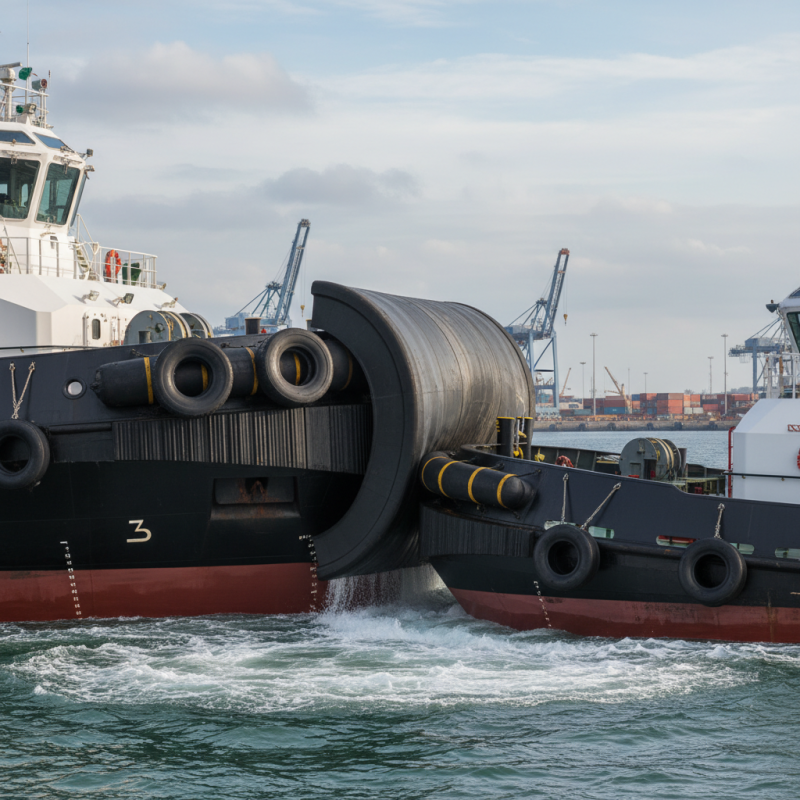
Tugboats operate in challenging environments. The right fender type is crucial for safety and performance. Let's explore popular tugboat fender options and their unique features.
One common choice is the cylindrical fender. These fenders provide excellent energy absorption. They are versatile and can accommodate various docking scenarios. Their design allows for optimal interaction with different surfaces. However, they can sometimes require more maintenance than expected.
Another option is the box fender. These are ideal for fixed structures like docks. Their shape helps distribute loads evenly. This feature enhances their durability. On the downside, they may not perform as well in strong currents. Their effectiveness can vary based on the installation site.
Lastly, the D-shaped fender is becoming increasingly popular. This design allows for easy installation and good shock absorption. These fenders are effective in harsh weather conditions. However, ensuring proper fit during installation remains essential for performance. Selecting the right fender requires careful consideration of specific marine environments.
Key Materials Used in Tugboat Fenders for Optimal Performance
When selecting the right materials for tugboat fenders, it’s essential to focus on durability and performance. Common materials include rubber, foam, and PVC. Rubber is known for its excellent resilience and shock absorption. It works well in harsh marine environments. However, sometimes it can wear out faster under heavy use.
Foam fenders offer a lightweight option that is also effective for protecting vessels. They provide decent energy absorption but may not withstand extreme conditions as well as rubber. Meanwhile, PVC fenders are strong and resistant to abrasion. They can be effective in varied weather conditions, but they may lack the flexibility needed for heavy impacts.
Choosing the right material means considering the type of operations. Tugboats often face different challenges – from navigating narrow channels to mooring alongside larger vessels. Each situation may require a specific type of fender to ensure safety and optimize performance. The ideal solution is finding a balance between these materials based on the operational environment. Not every choice is perfect, and occasional reevaluation can lead to better outcomes.
Benefits of Proper Fendering Systems for Marine Safety
Proper fendering systems play a crucial role in enhancing marine safety and operational efficiency. They absorb the impact energy during docking, minimizing potential damage to vessels and port infrastructure. Effective fenders help ensure that tugboats and larger ships can maneuver safely in confined spaces. This reduces the risk of collisions, which can lead to costly repairs and environmental hazards.
Tips: Regularly assess the condition of your fendering systems. Look for signs of wear or damage. Replacing worn-out fenders can prevent significant accidents. Moreover, consider the specific water conditions when selecting fenders.
Beyond safety, proper fendering systems improve overall performance. They increase the reliability of dockings and ensure smoother operations. Well-designed fenders can adapt to different weather conditions, providing necessary protection. However, improper installation may still lead to performance issues. Regular training for crew members on fender use can mitigate risks.
Tips: Conduct routine training for crew on fendering best practices. Encourage discussions on recent docking experiences. Sharing lessons learned can foster a culture of safety and continuous improvement.
Top Tugboat Fender Options for Enhanced Marine Safety and Performance
This bar chart illustrates the impact absorption capabilities of various tugboat fender options, providing insights for enhanced marine safety and performance.
Future Trends in Tugboat Fender Design and Technology
In recent years, tugboat fender technology has seen significant advancements. The focus has shifted towards enhancing safety and performance in marine operations. Reports indicate that better fender designs contribute to a 30% reduction in accident rates during docking maneuvers. This is particularly relevant as the shipping industry expands and demands stricter safety protocols.
Innovative materials, such as energy-absorbing composites, are becoming more prevalent. These materials offer superior durability and impact resistance. Research from marine engineering journals suggests that these fenders can withstand forces up to 20% greater than traditional rubber models. However, challenges remain. The cost of these advanced fenders can deter smaller operators from making the switch.
Another trend is the integration of smart technology into fender designs. Sensors can monitor wear and tear, providing valuable data for maintenance schedules. Yet not all operators are using this technology. A study revealed that only 25% of tugboat companies utilize smart fenders, indicating a significant gap in adoption. As industries strive for optimal safety, embracing these advancements is crucial.