Best Locking Bollards for Secure Parking Solutions?
In the quest for secure parking solutions, Locking Bollards have emerged as a vital tool. Their design promotes safety while deterring unauthorized access effectively. Businesses and property owners increasingly prioritize safety in their parking areas. This trend highlights the importance of reliable security measures.
Locking Bollards come in various styles and functionalities. Some are manual, while others operate electronically. Each type serves a specific purpose. Choosing the right bollard can be overwhelming due to the numerous options available. Property owners must consider their unique needs, such as frequency of access and level of desired security.
Investing in quality Locking Bollards reflects a commitment to safety. However, it’s crucial to evaluate both the pros and cons. Not all bollards can withstand extreme conditions. Maintenance can also pose challenges. Understanding these factors helps in making an informed decision. The journey to securing a parking area requires thoughtfulness and attention to detail.

Types of Locking Bollards for Enhanced Security in Parking Areas
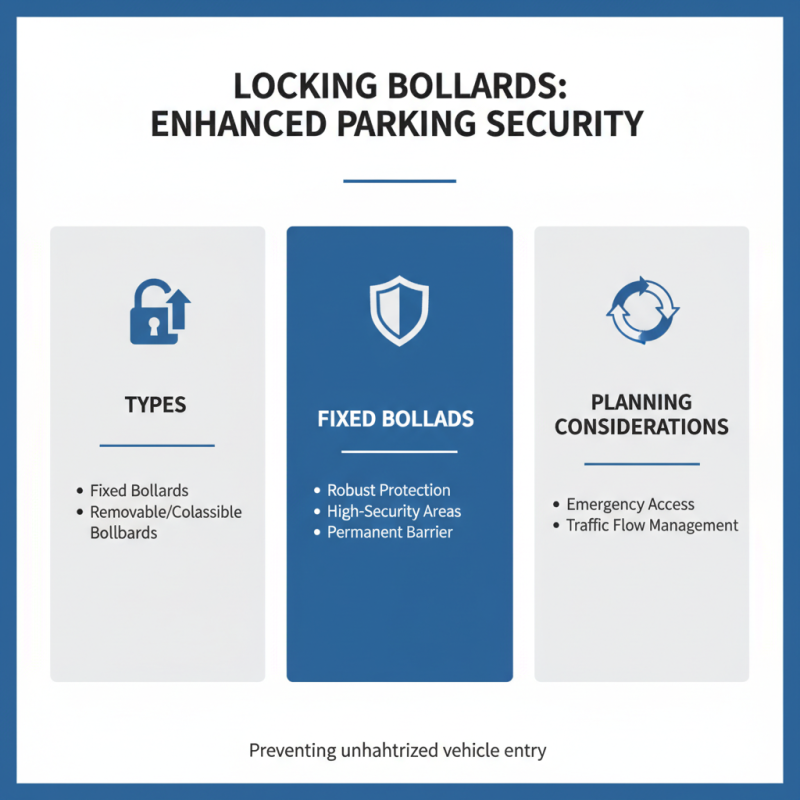
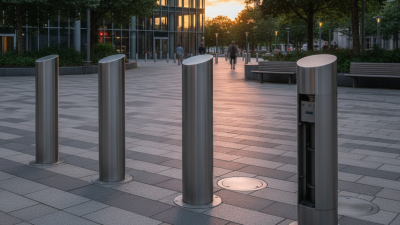
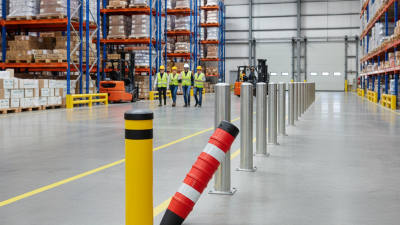
Locking bollards are essential in enhancing security in parking areas. Various types are available, designed to cater to different needs and environments. Fixed bollards offer robust protection against unauthorized access. They are a common choice for high-security environments. Yet, they can be inconvenient for emergency services, needing careful planning to ensure access.
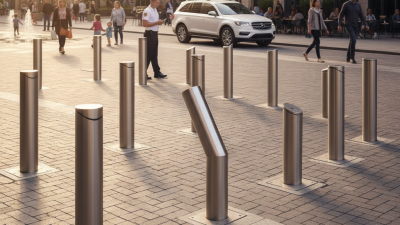
Retractable bollards provide added flexibility. They can be raised or lowered, allowing temporary vehicle access when necessary. This versatility makes them suitable for busy urban areas, where access is often required. However, the mechanical components can face wear over time, requiring regular maintenance. Sometimes, these bollards may malfunction, leading to frustrations for both users and security personnel.
Fold-down bollards offer yet another option. They can be flattened against the ground when not in use, ensuring clear access. This design can sometimes be overlooked in terms of visibility, as pedestrians may not notice them. Installing clear signage can mitigate this risk. All types of locking bollards need thorough consideration regarding site-specific challenges to ensure effective security solutions.
Key Features to Look for in Reliable Locking Bollards
When exploring effective locking bollards, understanding their key features is crucial. First, material quality plays a significant role. High-grade steel or aluminum provides durability and strength. The finish should be weather-resistant to prevent rust and wear. A reliable locking mechanism is equally important. Look for options with a sturdy lock that resists tampering.
Visibility is another vital aspect. Bright colors or reflective surfaces enhance safety, especially in low light. Consider bollards with a portable design if you need flexibility in placement. Many models allow easy retraction or removal, catering to varied parking needs. However, assess whether these features impact the overall security.
Maintenance should not be overlooked. Regular checks ensure the bollards function properly. Also, verify the installation process; improper setup can lead to issues. While numerous models seem appealing, not all fit every situation. Take time to analyze which features truly meet your specific needs for parking security.
Best Locking Bollards for Secure Parking Solutions - Key Features
| Feature |
Description |
Importance |
Durability Rating |
| Material |
Steel or aluminum construction for strength |
High |
5/5 |
| Locking Mechanism |
Heavy-duty locking systems to prevent tampering |
High |
5/5 |
| Height |
Varied heights for visibility and obstruction |
Medium |
4/5 |
| Finish |
Corrosion-resistant coatings |
High |
5/5 |
| Installation |
Ease of installation and maintenance |
Medium |
4/5 |
| Visual Deterrent |
Designs that serve as a visual barrier |
High |
5/5 |
Installation Considerations for Effective Parking Solutions
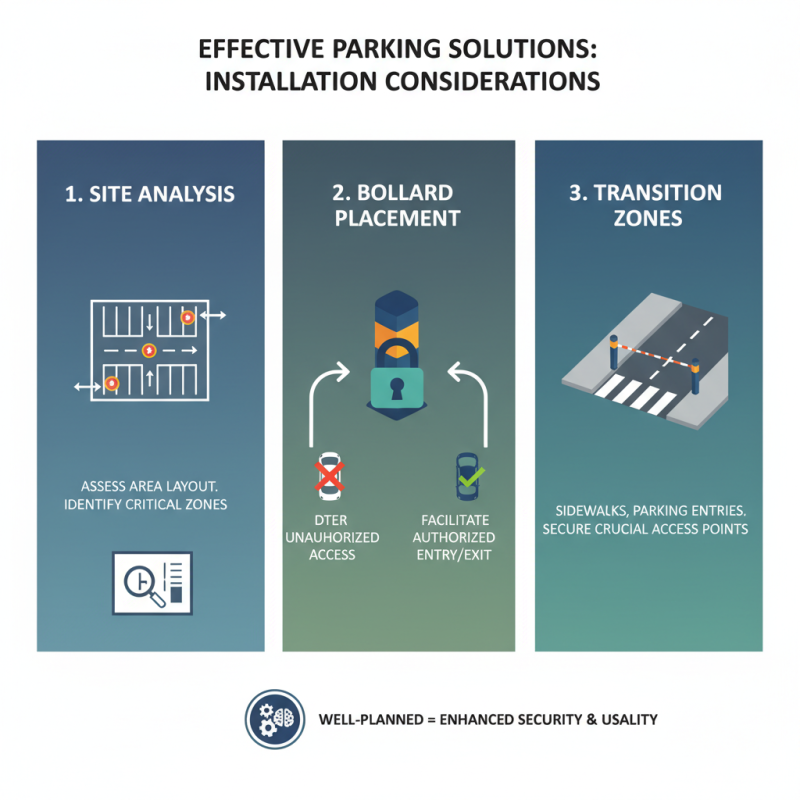
When considering installation for locking bollards, several factors come into play. A well-planned site layout can significantly enhance security and usability. Start by analyzing the area to identify the best placement for the bollards. Ensure they are positioned to deter unauthorized access while allowing for convenient entry and exit for legitimate users. Transition zones, such as sidewalks and parking entries, are crucial areas that require attention.
Selecting the right materials is another key aspect. Durable materials can withstand harsh weather and potential impacts. Steel and reinforced concrete are solid choices for long-lasting bollards. However, the aesthetic appeal also matters. Choosing designs that blend with the environment can enhance the overall look of the space.
Finally, don’t overlook maintenance. Regular inspections are vital to ensure bollards remain functional. Rust and wear can compromise their effectiveness. Additionally, user feedback is essential. Observing how people interact with the bolards might reveal areas for improvement. In some cases, you might find that the initial placement could be adjusted for better traffic flow.
Benefits of Using Locking Bollards for Vehicle Protection
Locking bollards provide several advantages for vehicle protection. According to industry data, they can significantly reduce the risk of unauthorized vehicle access. In urban areas, nearly 30% of parking lot incidents are linked to improper vehicle control. Implementing locking bollards can deter illegal parking and enhance overall site security.
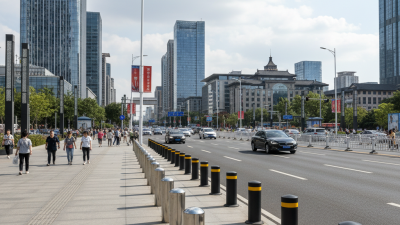
These fixtures not only protect property but also ensure pedestrian safety. Research indicates that areas with installed bollards saw a 40% decrease in vehicle-related accidents. The physical barrier discourages reckless driving and prevents vehicles from encroaching on walkways. Businesses benefit by promoting safer environments for customers.
Despite their advantages, criticisms exist. Some argue that bollards can obstruct traffic flow during emergencies. Others believe their presence might lead to complacency about security measures. Continuous evaluation is essential to balance safety and accessibility. Regular assessments will address potential drawbacks while maximizing the safety benefits they can provide.
Maintenance Tips for Long-lasting Locking Bollards
Locking bollards are becoming essential for secure parking solutions. However, their longevity relies heavily on proper maintenance. The American Institute of Steel Construction suggests that regular inspections can prevent significant issues. They recommend checking for rust, cracking, or misalignment every six months to ensure optimal functionality.
Cleaning locking bollards is more than an aesthetic choice. According to the National Association of Entrepreneurs, dirt and grime can lead to corrosion over time. A simple mixture of soap and water can enhance their appearance and lifespan. It's vital to dry the bollards thoroughly to prevent moisture accumulation, which can cause internal damage.
While many overlook lubrication, it is crucial for mechanical moving parts. Regularly applying a suitable lubricant can minimize wear. A well-maintained bollard can last over a decade, offering reliable security. Yet, over time, even the best solutions require replacement. Reflecting on this can help users prioritize proactive maintenance as a critical aspect of their parking strategy.
Best Locking Bollards for Secure Parking Solutions
This chart displays the popularity of various types of locking bollards used for secure parking solutions based on a scale of 100. Steel and retractable bollards lead in popularity due to their durability and security features.