How to Choose the Right Parking Bollards for Your Property?
Choosing the right Parking Bollards for your property is essential for safety and aesthetics. Expert David Harris, a leading consultant in urban development, states, "The right bollards enhance safety and elevate the visual appeal of public spaces." His insights emphasize the importance of thoughtful selection.
When considering Parking Bollards, various factors come into play. Properties differ in layout and function. For example, residential areas may require softer aesthetics while commercial zones might need robust protection. The choice should reflect both security needs and design sensibilities. A well-placed bollard can deter accidents and still maintain an inviting atmosphere.
Each type of Parking Bollard has specific advantages and drawbacks. Steel bollards are durable yet may appear too harsh for certain environments. Wooden options blend nicely but require more maintenance. Reflecting on what works best for your property can be challenging. Understanding these nuances is critical.

Factors to Consider When Selecting Parking Bollards
When selecting parking bollards, consider the specific needs of your property. The type of traffic, vehicle sizes, and pedestrian flow are crucial factors. These elements will directly affect your decision. Durability is paramount. Bollards should withstand collisions and environmental conditions.
Tip: Choose high-quality materials for better longevity. Steel and reinforced concrete work well for heavy-duty applications, while plastic or lightweight metal might suffice in less demanding areas.
Safety should not be overlooked. Proper placement can prevent accidents and improve visibility. However, overusing bollards may lead to cluttered spaces. It's essential to strike a balance.
Tip: Conduct a site assessment. Identify spots where bollards enhance safety without overwhelming the landscape. This careful planning reflects a commitment to professionalism.
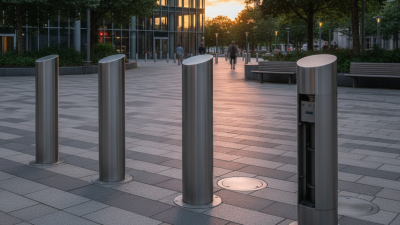
Lastly, consider aesthetics. Bollards come in various designs and colors. A cohesive look can enhance curb appeal. However, functionality should always be prioritized over appearance. Each decision contributes to the overall effectiveness of your parking strategy.
Types of Parking Bollards and Their Applications
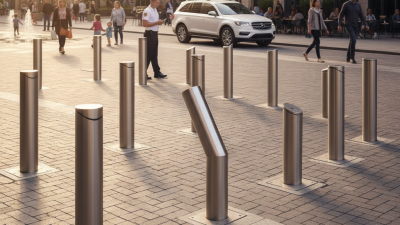
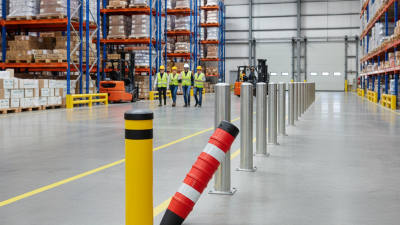
When selecting parking bollards, understanding their types and applications is essential. There are primarily three types of bollards: fixed, removable, and foldable. Fixed bollards provide permanent protection; they guard specific areas from vehicle access. Removable bollards offer flexibility, allowing property owners to install and remove them as needed. Foldable options strike a balance, providing security but can be laid down for vehicle access.
Applications vary widely. In busy urban areas, fixed bollards prevent vehicles from entering pedestrian zones. Removable bollards are often used in events, where space flexibility is required. Foldable bollards suit locations needing temporary access, like loading zones or emergency exits.
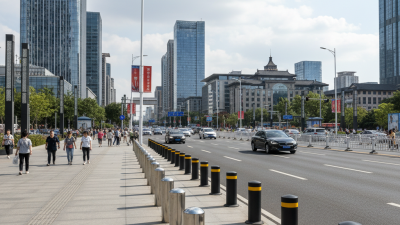
Property managers must consider traffic flow, potential vehicle hazards, and sightlines when choosing. Selecting the right type involves thoughtful consideration. Mistakes can lead to inadequate safety measures. Proper installation and positioning are also crucial. Even well-chosen bollards can fail if improperly placed. Evaluate real-world interactions to ensure effectiveness.
Each property has unique needs. Adjusting bollard choices based on specific situations can enhance safety and functionality.
Understanding Local Regulations and Compliance Standards
When selecting parking bollards, understanding local regulations is crucial. Many municipalities have specific guidelines governing the type, height, and placement of bollards. Compliance with these rules ensures safety and reduces liability risk. Not adhering to local standards can lead to costly fines and potential accidents.
Research indicates that over 30% of properties miss compliance checks during their planning phase. This oversight can compromise safety. It's essential to consult local regulations before installation. Find out about zoning laws and safety codes through your local planning department. Keep in mind that regulations might vary based on factors such as location and property type.
**Tip:** Always prioritize safety when choosing bollards. You might want to consider traffic flow and pedestrian movement. It’s worth evaluating how bollards can enhance visibility. Sometimes, properties overlook the benefits of reflective materials, which can significantly improve safety during low-light conditions. Always account for the environment where the bollards will be placed.
Parking Bollard Compliance Standards
This bar chart illustrates the compliance levels of various parking bollard standards. Understanding these regulations is crucial for property owners to ensure safety and proper implementation of bollards in their facilities.
Assessing the Durability and Material of Bollards
When selecting parking bollards, assessing durability and material is crucial. The choice significantly impacts the bollards' lifespan. For instance, concrete and steel are widely recognized for their robustness. According to industry reports, well-installed concrete bollards can last over 30 years, making them a popular choice for high-traffic areas. Steel, on the other hand, offers excellent resistance to impact, but can be susceptible to rust if not properly treated.
An emerging trend is the use of recycled materials. They provide an eco-friendly alternative while maintaining strength. However, it's essential to scrutinize their performance standards. Some recycled products may not meet the durability expectations of conventional materials. Evaluating the manufacturer’s history in this area plays a vital role. Research shows that 70% of property owners prefer heavy-duty options, ensuring long-term investments.
Vandalism and accidental impacts are common challenges for bollards. The material and design should accommodate these risks. Hollow bollards, although lighter, may not endure severe impact as well as solid bollards. Professionals recommend considering the local environment, as weather conditions can affect performance. Investing in quality may prove beneficial, yet property owners must weigh the cost against the long-term durability.
Cost Considerations and Budget for Parking Bollard Installation
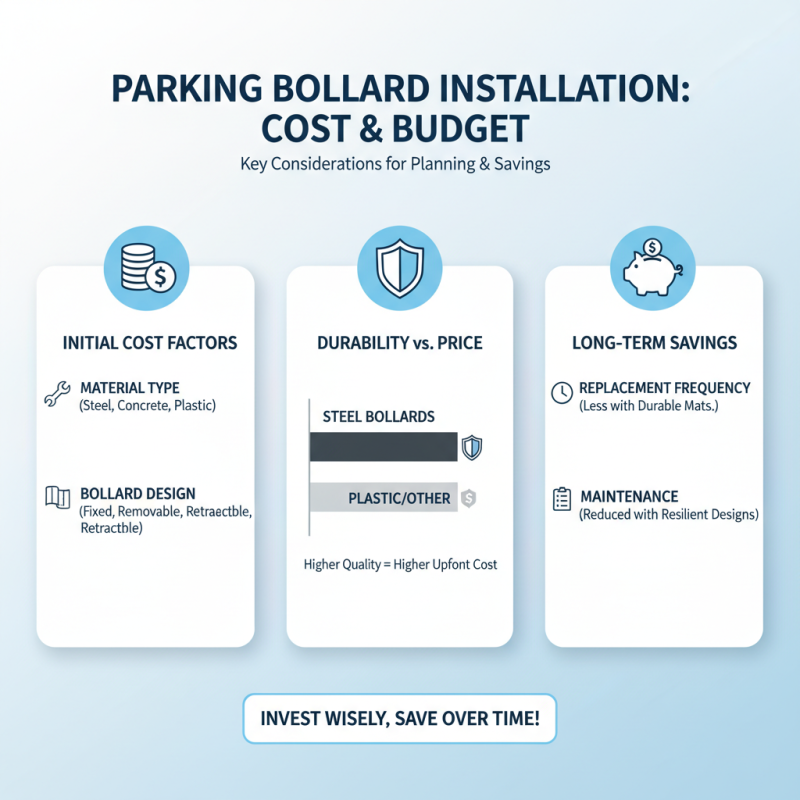
When planning to install parking bollards, cost is a crucial factor. The price can vary based on materials and design. For example, steel bollards tend to be more durable, yet they also come with a higher price tag. Consider how often you expect to replace or maintain the bollards. High-quality materials may incur initial costs but save you money in the long run.
Installation expenses can fluctuate significantly. Some might opt for professional installation, which adds to the budget. DIY installation could minimize costs but might not ensure optimal placement or stability. It's essential to weigh these choices carefully. A poorly installed bollard can lead to unforeseen expenses. Think about your property’s specific needs and the traffic patterns in the area.
Factors like local regulations and safety standards can also impact your budget. Certain areas might require specific types of bollards, further affecting the total costs. Gathering accurate quotes from multiple suppliers can aid in staying within budget. Always prepare for unexpected costs associated with installation and maintenance. Be cautious and thorough in your planning to achieve the right balance between quality and affordability.