How to Choose the Right Cylinder Fender for Your Needs?
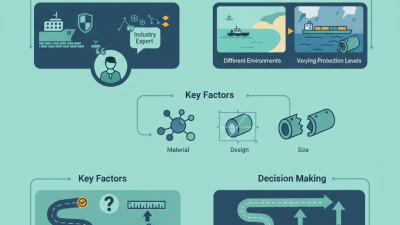
When selecting a "Cylinder Fender," various factors come into play. According to Dr. Emily Carter, a renowned expert in marine fender systems, “The right fender can significantly reduce impact and enhance safety.” Understanding your specific needs is crucial. Prioritize the environment where the fender will be used, as different applications require unique specifications.
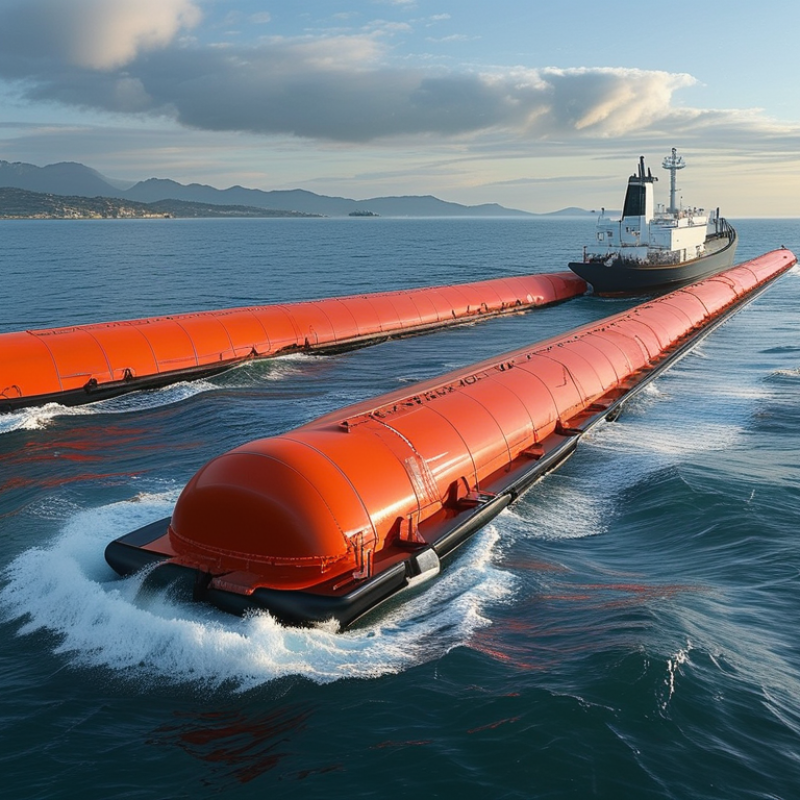
Cylinder fenders are popular due to their inflatable nature and durability. However, not all are created equal. You may need to consider size, material, and the force they must withstand. A poorly chosen fender can lead to accidents and costly repairs. Proper assessment is essential before making a decision.
Moreover, it’s important to reflect on past experiences or industry standards. What worked before may not be ideal for your current needs. The landscape in marine applications is constantly evolving. Hence, relying solely on previous choices can be misleading. Engaging with experts can enhance your understanding and lead to better decisions in selecting the right cylinder fender.
Understanding the Basic Types of Cylinder Fenders in the Industry
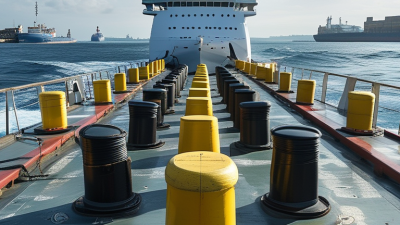
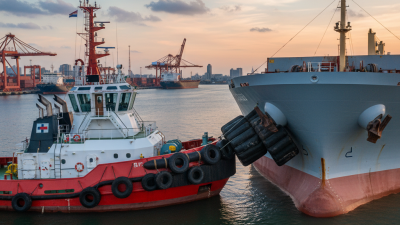
When choosing a cylinder fender, understanding the types available is essential. Cylinder fenders are vital for marine operations. They protect vessels during docking. Essentially, there are three basic types: solid rubber, inflatable, and foam-filled. Each type has specific uses that can affect performance and longevity.
Solid rubber fenders are often durable and low-maintenance. Their construction allows them to withstand heavy impacts. However, they may lack buoyancy.
Inflatable fenders are lighter and easily stored. They can absorb shock effectively but require maintenance to prevent punctures.
Foam-filled fenders combine characteristics of both, providing durability and buoyancy. They can be more costly but may offer better long-term performance.
Tips: Before making a decision, consider your
specific operational needs. Assess the typical size and type of vessels involved. Think about environmental factors, such as wave conditions and tidal changes, which can affect performance. Reflect on the installation and maintenance requirements for each fender type, ensuring it aligns with your operational capacity. Always prioritize
safety and
reliability in your selection process, as the right fender can profoundly influence docking success.
Evaluating Key Specifications: Size, Material, and Buoyancy Factors
Choosing the right cylinder fender involves examining key specifications, including size, material, and buoyancy factors. Size is crucial because it directly correlates to the vessel's safe docking. According to the International Association of Marine Aids to Navigation and Lighthouse Authorities, larger vessels require fenders with a larger diameter to absorb the impact effectively. A mismatch can lead to damage, both to the vessel and infrastructure.
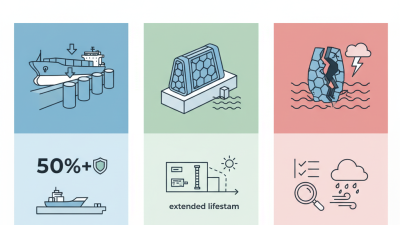
Material also plays a significant role. Common materials include rubber and polyurethane, which each have distinct properties and durability levels. Rubber fenders may handle shocks effectively but could wear out faster in harsh environments. On the other hand, polyurethane is more resilient against UV damage and abrasiveness. A report by the International Marine Certification Institute indicates that well-selected material can increase the lifespan of a fender by up to 30%, emphasizing the need for careful consideration.
Buoyancy is another factor that cannot be ignored. A fender with insufficient buoyancy may become submerged, losing its protective function. This is particularly critical in areas with unpredictable sea conditions. The American Bureau of Shipping highlights that buoyancy dictates the fender's ability to float, which is vital for maintaining safety during operations. Reflecting on these factors is essential. Choosing a fender without proper evaluation can lead to costly mistakes and operational inefficiencies.
Comparison of Cylinder Fender Specifications
Assessing Environmental Conditions for Optimal Fender Performance
When selecting a cylinder fender, environmental conditions play a critical role in performance. High waves and strong currents can impact how effectively a fender absorbs energy. Understanding the specific conditions of your location is vital. Factors such as tide variations, wind speed, and water depth must be considered. These details help determine the right fender type and size.
Tips: Analyze local weather patterns regularly. Keep an eye on seasonal changes in conditions. This can help predict fender performance.
Different materials respond uniquely to varying environments. For instance, rubber fenders might excel in calm waters, while foam-filled options can provide better resistance in turbulent seas. Consider testing several fender types in your specific conditions. This hands-on approach is often revealing.
Tips: Consult with marine experts familiar with your area. Their insights can guide your decisions and save money.
Consider maintenance challenges, too. Harsh environments may require more frequent inspections and replacements. Drawing data from these experiences can enhance your fender selection process. Always remain open to re-evaluating your choices as conditions change. Assessing and adapting will lead to more effective solutions.
The Importance of Regulatory Standards and Compliance in Fender Selection
When selecting a cylinder fender, regulatory standards play a crucial role. Compliance with industry norms ensures safety and reliability. These standards often dictate the materials and specifications required for optimal performance. For instance, certain environments may necessitate specific types of fenders to withstand unique stresses. Ignoring these guidelines can lead to equipment failure, which could be costly.
In many cases, manufacturers provide documentation to prove compliance with these standards. This documentation offers peace of mind and is essential for project approvals. However, each project may face different challenges, requiring careful assessment of regulatory requirements. Relying solely on manufacturer claims may not be enough in every scenario.
It's essential to consult with experts who understand the nuances of fender selection. Their insights can guide you toward a choice that balances safety and function. Be willing to revisit your selections as regulations evolve. Continuous learning in this area can improve decision-making and enhance safety protocols for your operations.
How to Choose the Right Cylinder Fender for Your Needs? - The Importance of Regulatory Standards and Compliance in Fender Selection
| Fender Type |
Diameter (mm) |
Length (mm) |
Material |
Compliance Standards |
Application Areas |
| cylindrical fender |
600 |
1200 |
Rubber |
ISO 17357 |
Port facilities, docks |
| Inflatable fender |
800 |
1500 |
PVC |
ISO 17357 |
Ship-to-ship transfers |
| Cone fender |
900 |
1800 |
Rubber |
ISO 17357 |
Marinas, terminals |
| Square fender |
1000 |
2000 |
Foam |
ISO 17357 |
Commercial shipping |
| Marine fender |
700 |
1400 |
Rubber |
ISO 17357 |
Oil tankers, cargo ships |
Calculating Cost-Effectiveness: Initial Investment vs. Long-Term Durability
Choosing the appropriate cylinder fender requires careful consideration of costs. The initial investment can be significant, but durability plays a crucial role in overall value. A less expensive fender may save upfront money, yet could lead to more frequent replacements. These costs accumulate, affecting long-term budgets.
When evaluating long-term durability, consider the materials. High-quality options resist wear and tear better, extending their life expectancy. Conversely, lower-grade materials may need replacement sooner, heightening overall costs. Reflect on the environmental factors, too. Exposure to harsh conditions can exacerbate wear, making robust designs more justifiable.
It's valuable to assess maintenance costs as well. Some fenders require more upkeep than others. This can also add to long-term financial burdens. Ensure you check user reviews or case studies for insights. Real-world experiences highlight the true worth of different fenders. Incomplete information may lead to misguided decisions. Investing time in research enhances your chance of selecting the ideal fender for your needs.