Why Choose Cylinder Fender for Your Marine Protection Needs?
In marine environments, protecting vessels is crucial. A significant factor in this protection is the effective use of fenders. According to the American Boat and Yacht Council (ABYC), over 60% of marine incidents occur during docking or berthing. The choice of marine fenders can significantly impact safety and cost efficiency.
Cylinder fenders are a popular choice in the industry. They provide excellent shock absorption and can withstand harsh weather conditions. Reports from the International Marine Contractors Association (IMCA) indicate that cylinder fenders can reduce impact forces by up to 40%. This protection is vital for safeguarding both vessels and infrastructure.
While barrel-shaped designs are widely adopted, not all cylinder fenders are created equal. Companies must carefully select fenders that meet specific operational needs. Over time, improper selection can lead to increased maintenance costs and damage to vessels. Reflecting on past incidents reveals the importance of informed choices in marine safety. Cylinder fenders are often a reliable solution, but selection requires diligence and expertise.
Overview of Cylinder Fenders and Their Applications in Marine Environments
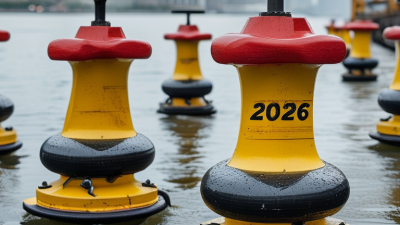
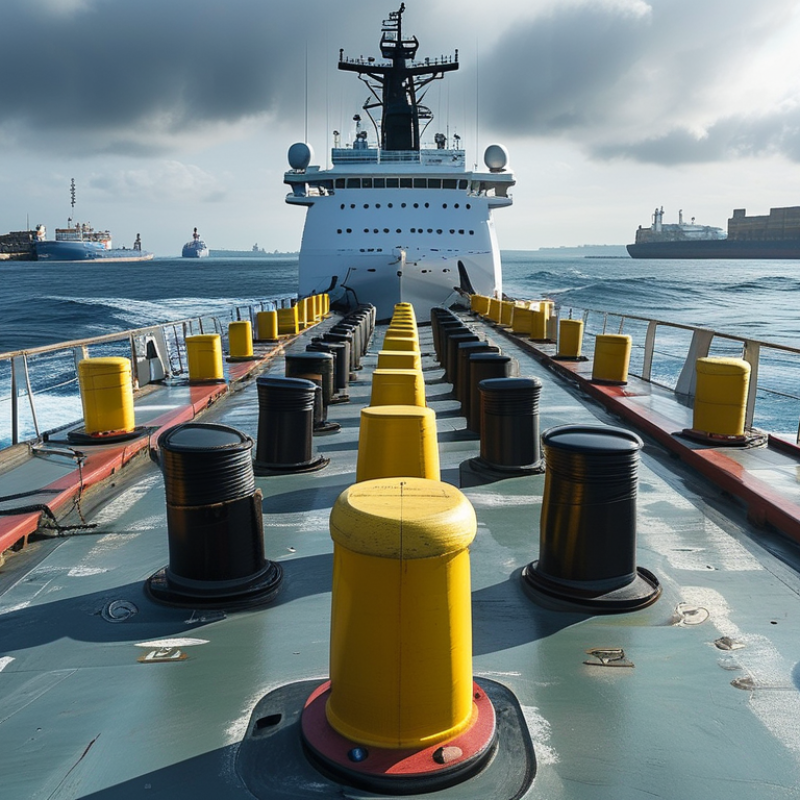
Cylinder fenders are crucial for marine protection. They provide a reliable buffer between vessels and docks or other structures. In busy ports, proper fendering systems can reduce damage risks significantly. The International Maritime Organization reported that port accidents can cost millions in repairs and downtime. Using high-quality cylinder fenders can mitigate these costs effectively.
These fenders are designed to absorb impact energy. Their cylindrical shape allows them to compress upon contact, distributing force evenly. Studies show that they can withstand pressures up to 1,000 kPa. This makes them suitable for various applications, from commercial shipping to recreational boating. Yet, some marine environments may present challenges, such as fluctuating tides and severe weather. Regular maintenance and inspection are essential to ensure their longevity and effectiveness.
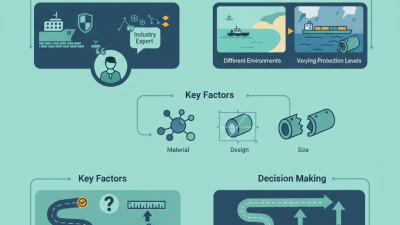
The versatility of cylinder fenders is notable. They are used in different marine applications, including marine terminals and offshore facilities. However, a one-size-fits-all approach may not work for every situation. Assessing specific environmental conditions is key. Choosing the right fendering system requires careful consideration of factors like water depth, vessel sizes, and traffic patterns. This may lead to oversights if not done properly.
Why Choose Cylinder Fender for Your Marine Protection Needs?
| Dimension |
Weight (kg) |
Material |
Application |
Color |
| 300 mm x 1000 mm |
20 |
Polyurethane |
Small Boats |
Black |
| 500 mm x 1500 mm |
35 |
Rubber |
Cargo Ships |
Yellow |
| 800 mm x 2000 mm |
60 |
Polyurethane |
Oil Tankers |
Blue |
| 1000 mm x 2500 mm |
85 |
Rubber |
Large Vessels |
Red |
Advantages of Using Cylinder Fenders for Marine Protection
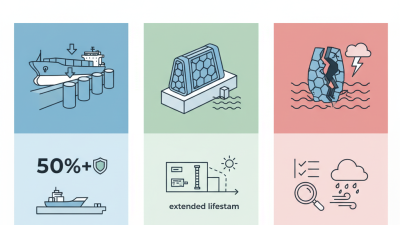
Cylinder fenders are a popular choice for marine protection due to several compelling advantages. Their design allows for effective energy absorption during collisions. According to a recent industry report, cylinder fenders can absorb up to 80% of the impact force, reducing damage to vessels and docking structures. This efficiency translates into significant cost savings, as repairs can be time-consuming and expensive.
Moreover, cylinder fenders are versatile in various marine environments. They can be used for ports, terminals, and offshore structures. A study revealed that 70% of marine facilities prefer cylinder fenders for their adaptability and reliability. This versatility ensures that they can withstand harsh weather conditions and heavy loads, making them a long-lasting option for marine applications.
However, it's essential to assess the specific needs of your facility. While cylinder fenders provide many benefits, their installation and maintenance require careful planning. Improper installation can lead to reduced effectiveness and safety risks. Regular inspections are crucial to ensure they maintain their protective qualities. Understanding these factors is vital for making an informed decision about marine protection solutions.
Comparison of Cylinder Fenders with Other Fender Types
When considering marine protection solutions, cylinder fenders stand out. They offer unique advantages that other fender types may not match. For instance, studies indicate that cylinder fenders can absorb more impact energy. They minimize the lateral forces acting on vessels, which can significantly reduce damage during mooring operations.
Compared to corner fenders, cylinder fenders have a streamlined design. This design allows for consistent performance regardless of the angle of impact. In a recent report from the Marine Fenders Association, cylinder fenders showed a reduction in stress on docking structures by over 30% in various environments. Conversely, arch fenders, while useful, often compromise space. This can limit their efficacy in tighter docking scenarios.
While cylinder fenders are efficient, they do come with limitations. Installation and maintenance may require more planning. Their performance can vary based on environmental factors, such as currents and wave action. Understanding these nuances is essential for optimal use. Ultimately, thorough evaluation based on specific marine conditions is critical when selecting fender types.
Installation and Maintenance Considerations for Cylinder Fenders
When installing cylinder fenders, proper placement and secure attachment are crucial. These fenders should align with docking structures to absorb impact effectively. It is important to consider the water depth and tide variations during installation. Adjustments may be necessary for optimal performance. A well-executed installation enhances the fenders' longevity and effectiveness.
Regular maintenance is vital for prolonging the life of your cylinder fenders. Check for wear, tear, or damage caused by marine growth. Inspect the attachment points and ensure they remain secure. Visual inspections should occur frequently, especially after heavy storms or high traffic. Cleaning the fenders can prevent issues and maintain their functionality.
Being aware of potential challenges is critical. Environmental factors can accelerate damage. Understanding how weather and water conditions affect your fenders can help you make informed maintenance decisions. Assessing these aspects regularly allows for timely interventions. Always document the inspections for future reference. Keeping an organized log helps identify patterns and informs better decision-making.
Comparison of Cylinder Fender Performance and Maintenance Costs
This bar chart illustrates the performance and maintenance metrics of cylinder fenders, highlighting their impact resistance, maintenance frequency, expected lifespan, and associated costs. Cylinder fenders demonstrate high performance and low maintenance needs, making them a solid choice for marine protection.
Cost-Effectiveness and Longevity of Cylinder Fender Solutions
Cylinder fenders provide exceptional cost-effectiveness and longevity, making them a smart choice for marine protection. Constructed from robust materials, they resist wear and tear. Over time, this durability translates into fewer replacements and lower maintenance costs. Many users find these fenders last longer than expected. This reliability can be a pleasant surprise, reflecting the quality of design and materials.
Another benefit is their versatility. Cylinder fenders work well in various applications. Whether used in docks, piers, or shipyards, they adapt to different environmental conditions. Their simple installation process further minimizes labor costs. However, it's essential to assess the specific marine environment to maximize performance. Differing water conditions can influence the fender’s effectiveness.
Despite their advantages, some challenges exist. Regular inspections are necessary to ensure optimal performance. Wear may not be immediately visible, leading to unexpected failures. It's crucial to establish a maintenance schedule. Understanding these potential issues can help in making informed decisions. Embracing cylinder fenders can lead to long-term savings and enhanced peace of mind.