2026 Best Cell Rubber Fender Options for Global Buyers?
When selecting the best cell rubber fender options, global buyers face a critical task. Cell rubber fenders are essential for safe mooring. They protect vessels from damage during docking. Their unique design allows for efficient energy absorption, making them a preferred choice for many applications.
The market is filled with various options, making it challenging to determine the best fit. Factors to consider include durability, shock absorption capacity, and installation ease. Not all products are created equally, and what works for one application may not work for another. Buyers must evaluate their specific needs carefully.
A reliable cell rubber fender can prevent costly repairs. Investing in quality options ensures long-term safety and stability. However, some buyers may overlook essential details. Understanding the technical specifications and performance metrics is crucial. It can be easy to get lost in the choices. Careful research and reflection can guide buyers to make informed decisions.
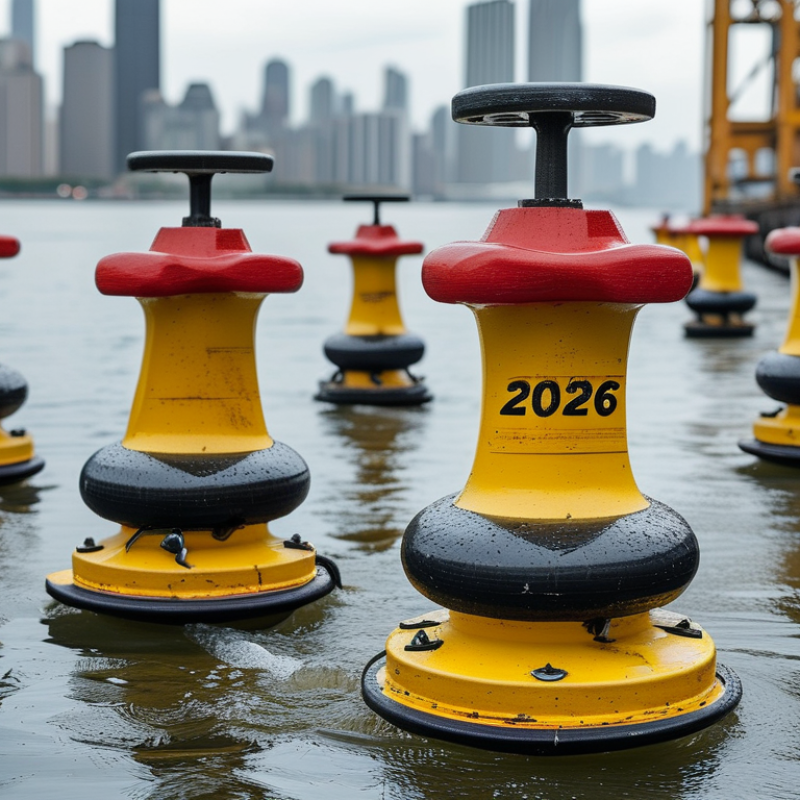
Overview of Cell Rubber Fenders and Their Applications
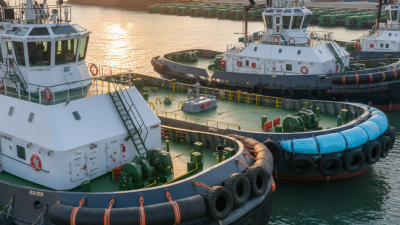
Cell rubber fenders are crucial in marine applications. They provide robust protection for docks, ships, and structures. These fenders are designed to absorb impact energy, minimizing damage during collisions. Their design allows them to conform to various shapes, making them versatile for different marine environments.
These fenders excel in several applications, particularly in busy ports and harbors. As vessels approach docks, cell rubber fenders cushion the impact. This reduces wear on both ships and docking infrastructure. They also come in various sizes to accommodate different types of vessels. In practice, the effectiveness of a fender can vary based on installation and environmental conditions. Improper placement can lead to inadequate protection.
Installation requires careful planning. Factors like tide conditions and vessel dynamics must be considered. A miscalculation could result in inefficient performance. Regular maintenance is also essential. Over time, wear and tear can diminish effectiveness. Understanding the specifics of your marine needs will ensure optimal performance from cell rubber fenders.
Key Factors to Consider When Choosing Cell Rubber Fenders
When selecting cell rubber fenders, there are crucial factors to consider.
Firstly, determine the performance requirements based on the operating conditions. The fenders need to absorb energy efficiently to protect vessels during berthing.
According to industry reports, effective fender systems can reduce impact forces by up to 80%, enhancing safety in busy ports.
Material quality is another critical aspect.
Rubber fenders made from high-quality synthetic rubber are more durable. They provide resistance to wear and harsh environmental conditions.
Data shows that UV and ozone resistance can extend the lifespan of fenders significantly, ensuring they function optimally over time.
Installation practices also play a key role. A poorly installed fender can lead to operational failures.
Over time, this can cause significant financial losses.
Regular inspections and maintenance are essential to identify wear and tear. These practices can help in prolonging the fender's effectiveness, providing real value to port operators.
Consideration of these factors will lead to more informed purchasing decisions.
Comparison of Popular Cell Rubber Fender Brands and Models
Cell rubber fenders are essential for marine applications. They provide effective protection for vessels during docking and berthing. The market for these fenders is expanding steadily, with an expected growth of 4.5% annually through 2026, according to industry reports. This growth is driven by an increase in global shipping activities and the need for reliable marine infrastructure.
When comparing various cell rubber fender models, several key factors come into play. Energy absorption, durability, and cost-effectiveness are critical. For instance, the energy absorption capacity can range from 40 to 300 kN, depending on the design and size. Some fenders are constructed from high-quality rubber compounds, ensuring longer lifespans under harsh marine conditions. This aspect is crucial, as maintenance costs can accumulate significantly over time.
However, not all fender options meet the expected performance standards. Some models may show wear or reduced efficiency quicker than anticipated. Buyers must conduct thorough assessments before purchasing. Selecting the right fender involves analyzing intended usage, vessel size, and environmental conditions. While data is vital, practical experience also plays a key role in effective decision-making.
Global Suppliers and Manufacturers of Cell Rubber Fenders
When considering the best cell rubber fender options, global suppliers play a crucial role. Many manufacturers specialize in this field, ensuring quality and reliability. They use advanced materials to create durable fenders. These fenders protect ships from impact during docking. The manufacturing process can vary, affecting the final product's effectiveness.
It's essential to evaluate potential suppliers critically. Some manufacturers may not meet strict international standards. Doing thorough research helps identify reputable companies. Look for those with solid industry experience and good customer feedback. Understanding how fender designs translate to real-world use can help make informed decisions.
While a variety of options exist, not all rubber fenders are equal. Some may wear out faster than expected. Others might not absorb impacts as efficiently. Engaging with suppliers who prioritize innovation and quality assurance can yield better results. Remember, the right fender can safeguard expensive vessels and infrastructure. Seek out suppliers who demonstrate a commitment to continuous improvement.
Trends and Innovations in Cell Rubber Fender Technology
Cell rubber fenders are critical components for maritime protection. Recent trends indicate a significant shift towards innovative designs and materials. According to a report from MarketsandMarkets, the global fender market is expected to reach $1.6 billion by 2026. This growth reflects increasing maritime activities and a need for enhanced vessel protection.
Modern cell rubber fenders incorporate advanced materials, promoting resilience and durability. Fiberglass reinforcement and high-performance synthetic rubbers are becoming more popular. These innovations lead to longer service life and reduce maintenance costs. Research shows that well-designed fenders can absorb up to 70% more energy during berthing operations, enhancing safety for vessels and port infrastructure.
However, the industry faces challenges. Not all manufacturers comply with standardized testing procedures. This inconsistency raises concerns about product reliability. Industry experts argue for more stringent regulations to ensure quality control. The call for better benchmarks highlights the need for continuous improvement in technologies employed in fender designs.
2026 Best Cell Rubber Fender Options for Global Buyers
| Fender Type |
Material |
Dimensions (mm) |
Energy Absorption (kJ) |
Weight (kg) |
Price (USD) |
| Inflatable Cell Rubber Fender |
Synthetic Rubber |
1000 x 500 |
150 |
50 |
200 |
| Solid Cell Rubber Fender |
Natural Rubber |
1200 x 600 |
200 |
60 |
250 |
| Cell Rubber Fender with Chain |
EPDM Rubber |
1500 x 700 |
250 |
80 |
300 |
| High-Durability Rubber Fender |
Nitrile Rubber |
1700 x 800 |
300 |
120 |
350 |
| Economy Rubber Fender |
PVC Rubber |
900 x 450 |
100 |
40 |
150 |