Leave Your Message

What Types of Street Bollards Are Available?

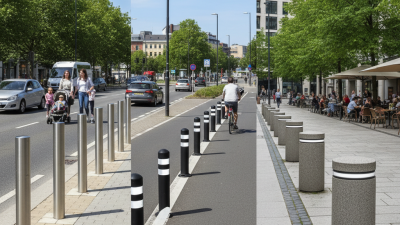
Street Bollards do more than separate vehicles from sidewalks. They guide foot traffic, protect building edges, and help define entrances, plazas, and loading areas. Their appearance may be subtle, but their placement affects how people move through a space.

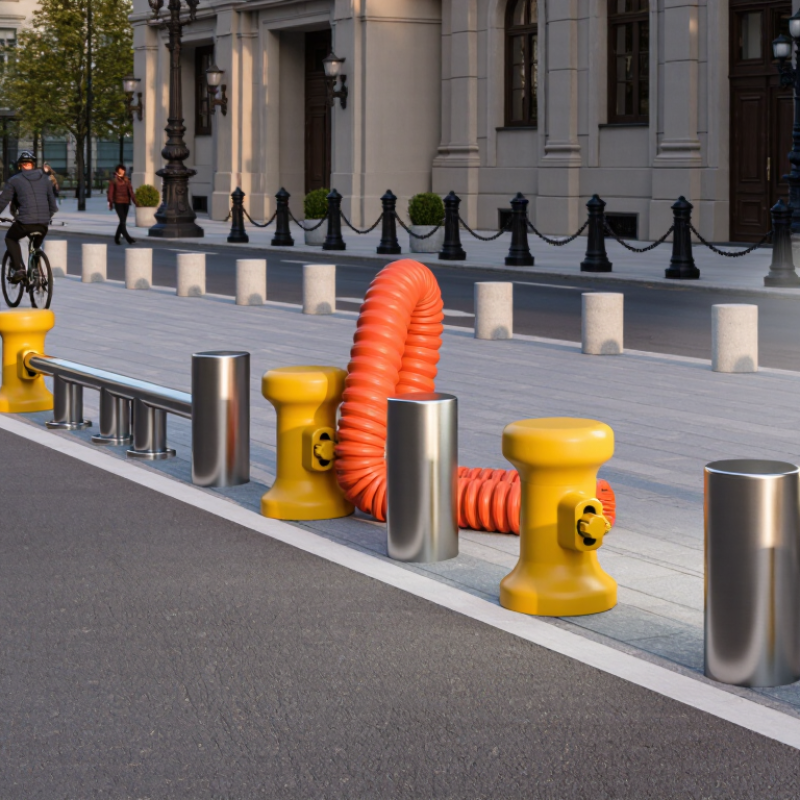
Common options include fixed, removable, and retractable bollards. Fixed steel or concrete models suit locations needing a permanent boundary. Removable units can open a route for maintenance or deliveries, while retractable designs lower into the ground when access is needed. Flexible bollards bend under impact and return upright, though they are not substitutes for robust vehicle protection. Decorative and illuminated styles can improve visibility or complement nearby architecture. Small details matter.

The right choice depends on the site, expected traffic, maintenance capacity, and desired level of access control. A narrow sidewalk may need a slimmer profile; a busy entrance may call for clearly visible units with adequate spacing. Material, foundation, finish, and installation quality also affect long-term performance. A bollard that looks suitable in a catalog may feel awkward beside a real curb. That is worth checking on site.

This guide compares the main Street Bollards types and explains where each may fit. It also considers practical trade-offs, from durability and visibility to access and upkeep. No single design works everywhere, so local conditions should shape the final decision.
What Types of Street Bollards Are Available?

Fixed Street Bollards for Permanent Traffic Control

What Types of Street Bollards Are Available?

Fixed Street Bollards for Permanent Traffic Control

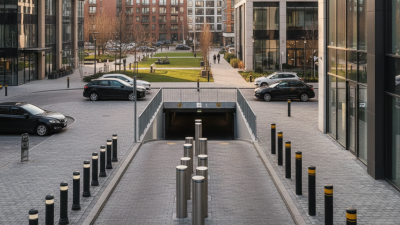
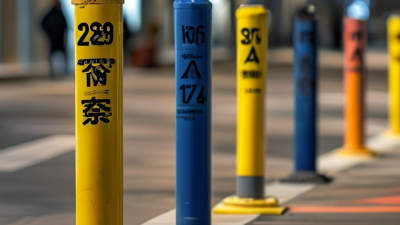
Fixed street bollards create a stable boundary between vehicles and vulnerable public areas. They are commonly installed beside sidewalks, building entrances, cycle lanes, plazas, and loading zones. Unlike removable models, fixed bollards remain anchored in the pavement and provide continuous traffic control.

Construction details matter. Steel bollards can offer strong impact resistance, while stainless steel and coated finishes may better suit exposed or visually sensitive locations. Their diameter, height, spacing, foundation depth, and anchoring method should match the site’s traffic risk. A bollard that looks substantial may still perform poorly if installed in weak ground.

They stay put.

Good planning protects people without making movement difficult. Bollards should remain visible in rain, darkness, and heavy pedestrian activity. Reflective bands, contrasting finishes, and suitable lighting can help drivers notice them earlier. Spacing must also preserve access for wheelchairs, strollers, maintenance equipment, and emergency operations.

A site assessment should examine vehicle paths, turning movements, drainage, underground services, and likely impact points. Fixed protection can solve one danger while creating another if placed too close to a curb or doorway. The first layout is rarely perfect. Inspectors should check loose anchors, corrosion, surface damage, and changes in traffic patterns over time. Regular maintenance keeps permanent control dependable, not merely permanent.
Removable Bollards for Temporary Access Restrictions

What Types of Street Bollards Are Available?

Street bollards serve different access and safety needs. Fixed bollards provide permanent separation around buildings, walkways, and loading areas. Flexible bollards bend after impact and suit lower-risk traffic zones. Automatic bollards can control vehicle entry through scheduled operation. Removable bollards offer a practical middle ground for temporary access restrictions.

A removable bollard sits inside a ground socket. Authorized staff can lift it out when deliveries, maintenance, or emergency access is required. When installed, the socket cover should sit nearly flush with the pavement. This reduces trip hazards and keeps the surface easier to clean. Locking pins, tamper-resistant fittings, and reflective bands improve daily usability and visibility. Choose a model with a tested impact rating that matches the site risk.

Material matters. Galvanized steel handles demanding outdoor conditions, while stainless steel may suit cleaner architectural settings. Drainage inside the socket is easy to overlook. Standing water can accelerate corrosion and create winter damage in colder areas. Site teams should also check bollard spacing, turning paths, pedestrian clearance, and the weight staff must handle. No layout is perfect. A bollard that works beside a quiet service lane may fail near a crowded entrance. Regular inspections can reveal loose sockets, worn locks, faded markings, or poor visibility before access control becomes unreliable.

Retractable Bollards for On-Demand Vehicle Access

What Types of Street Bollards Are Available?

Retractable Bollards for On-Demand Vehicle Access

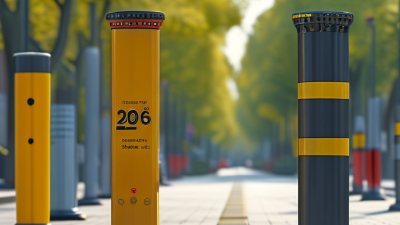
Retractable bollards control vehicle entry without permanently blocking pedestrians, cyclists, or emergency routes. They rise from the pavement when access is restricted and lower for approved vehicles. Hydraulic, pneumatic, and electric systems are available, although electric units often suit quieter urban streets. Selection depends on traffic frequency, vehicle weight, impact resistance, drainage, and maintenance access. The U.S. Department of Transportation recommends separating vehicle and pedestrian movements through clear, predictable design. A retractable bollard can support that approach, but it cannot replace proper street planning.

The World Health Organization reported approximately 1.19 million road deaths worldwide in 2021, with 20–50 million non-fatal injuries. This underlines the value of controlled access near plazas, schools, and crowded public spaces. However, a rising bollard is not automatically safe. Poor lighting, slow detection, or unclear warning signals may create new risks. Access systems should include visible indicators, emergency overrides, obstacle detection, and regular cycle testing. I have found that drainage is often underestimated. Water, grit, and winter salt can quietly damage underground components.

Tips: Confirm the required security rating and vehicle load before purchasing. Measure the clear lane width carefully. Use loop detectors or credentialed controls, then test them during peak periods. Keep a manual release procedure available. Review maintenance logs monthly, because reliability often declines before failure becomes obvious. A perfect specification on paper may still perform poorly in a wet, crowded street.

Flexible Bollards for Guiding Traffic and Marking Lanes

What Types of Street Bollards Are Available?

Flexible bollards guide traffic without creating a rigid roadside obstacle. They are commonly made from polyurethane, rubber, or spring-loaded materials. When struck, they bend, absorb energy, and return upright. This makes them useful for lane separation, temporary work zones, cycle lanes, and pedestrian refuge areas.

The Federal Highway Administration’s Manual on Uniform Traffic Control Devices emphasizes consistent visibility for channelizing devices. Reflective collars, bright colors, and adequate spacing help drivers read a lane edge at night. NHTSA reported 7,522 pedestrian deaths in the United States in 2022, showing why clear separation deserves careful design. Flexible bollards cannot replace proper road geometry or lighting. They only reinforce the intended path.

Installation depends on speed, turning movements, drainage, and maintenance access. Closely spaced posts create a stronger visual barrier, while wider gaps can support emergency access. A 2023 FHWA safety review noted that roadway context strongly influences traffic-control performance. That point is easy to underestimate.

Field checks matter. Staff should inspect cracked bases, faded reflective bands, loose anchors, and reduced rebound. Rain, grit, snowplows, and repeated vehicle contact can shorten service life. A perfect layout rarely exists. Designers should observe real driver behavior and adjust spacing when confusion appears. The wrong bollard can look tidy yet guide vehicles poorly. Clear markings, reliable visibility, and regular inspections usually matter more than appearance.

What Types of Street Bollards Are Available? - Flexible Bollards for Guiding Traffic and Marking Lanes

Bollard Type Typical Materials Flexibility and Impact Response Common Height Range Traffic-Guidance Function Visibility Features Typical Installation Suitable Locations Maintenance Level
Flexible Delineator Bollard Polyurethane, rubber, or flexible recycled polymer Designed to bend or deflect when struck and return close to its original position 750–1,000 mm Separates lanes, guides vehicles through curves, and marks temporary or semi-permanent traffic paths Reflective bands, high-visibility colors, and optional reflective panels Surface-mounted with anchors, bolts, or a base plate Lane splits, roundabouts, parking areas, work zones, and road edges Low
Spring-Back Bollard Flexible polymer body with a steel or composite spring mechanism Tilts or folds under vehicle contact and is designed to recover using spring force 750–1,000 mm Provides repeated lane separation where occasional vehicle contact is expected Retroreflective collars, bands, or integrated reflective strips Bolted to concrete or installed using a dedicated base assembly Urban intersections, traffic islands, access-control points, and narrow lanes Medium
Flexible Traffic Post High-visibility PVC, polyethylene, or polyurethane Lightweight and yielding; generally intended to reduce damage during low-speed contact 450–1,000 mm Marks lane boundaries, temporary routes, pedestrian edges, and restricted areas Fluorescent body colors with one or more reflective bands Portable weighted base, screw fixing, or temporary surface attachment Events, temporary traffic management, car parks, and construction areas Low
Flexible Lane Separator Recycled rubber, elastomer, or molded polyurethane Flexible or semi-flexible; absorbs minor impacts while maintaining a defined lane boundary 100–300 mm Separates cycle lanes, bus lanes, parking lanes, and vehicle channels Reflective markings, bright molded color, and optional marker studs Anchored directly to asphalt or concrete with mechanical fixings Cycle tracks, bus corridors, parking bays, and traffic-calmed streets Medium
Reboundable Guide Post Flexible polymer with a weighted or anchored base Deflects after contact and returns through material elasticity or base movement 900–1,200 mm Highlights roadway alignment, curves, merges, and changes in carriageway width Reflective rectangular panels or broad retroreflective bands Ground socket, driven base, or bolted mounting plate Rural roads, sharp bends, bridge approaches, and roadside shoulders Medium
Removable Flexible Bollard Flexible polymer body with aluminum, steel, or composite socket hardware Flexible above ground while allowing authorized removal for occasional access 750–1,000 mm Controls vehicle access without creating a permanent obstruction Reflective bands, colored body, and optional lockable base cover Surface socket, lockable receiver, or removable anchor system Service entrances, pedestrian streets, emergency access routes, and loading zones Medium
Flexible Parking Bollard Polyurethane, rubber, or impact-resistant plastic Yields under low-speed parking contact and helps reduce vehicle and bollard damage 600–900 mm Protects corners, pedestrian paths, parking edges, and vehicle circulation routes Reflective tape, contrasting colors, or molded visibility panels Bolted base, adhesive fixing for light-duty use, or weighted portable base Car parks, retail access roads, garages, and loading areas Low
Rigid Steel Bollard Galvanized or powder-coated steel Little or no flexibility; intended to provide a fixed physical barrier 600–1,200 mm Prevents vehicle access and protects buildings, equipment, and pedestrian zones Paint, reflective bands, or reflective sleeves Core-drilled, concreted in, or surface-mounted with a heavy-duty base plate Building fronts, storefronts, loading bays, and high-security areas Low
Retractable Bollard Steel or stainless steel with mechanical or powered operating components Rigid when raised; retracts into or onto its mounting system when access is required 600–900 mm Controls timed or authorized vehicle access while keeping routes clear when lowered Reflective bands, illuminated elements, or high-contrast finishes Recessed foundation housing or surface-mounted retractable mechanism Pedestrian zones, private roads, controlled entrances, and emergency routes High

Security Bollards for Protection Against Vehicle Impacts

What Types of Street Bollards Are Available?

Security Bollards for Protection Against Vehicle Impacts

Street bollards serve different purposes, from guiding pedestrians to protecting buildings. Fixed security bollards offer the strongest permanent barrier. They are anchored into reinforced foundations and positioned near entrances, sidewalks, or public spaces. Removable bollards provide controlled access when vehicles need occasional entry. Retractable and automatic models can lower into the ground, but they require power, drainage, and regular servicing.

Impact-resistant bollards are designed to slow or stop vehicles before they reach vulnerable areas. Their performance depends on more than the visible steel tube. Foundation depth, soil conditions, bollard spacing, and vehicle approach speed all matter. Independent impact testing gives useful evidence about stopping performance. However, test results may not match every real site. A narrow road, wet pavement, or poor installation can change the outcome.

A practical design begins with a site assessment. Measure the setback from doors, glazing, queues, and outdoor seating. Leave enough space for wheelchairs, strollers, and maintenance access. Heavy-duty fixed bollards suit high-risk perimeters, while removable units may work better beside service entrances. Protective sleeves and reflective surfaces improve visibility at night. They do not replace lighting.

Field inspections often reveal a simple weakness: the bollard is strong, but the surrounding pavement is not. Concrete cracking, loose anchors, and hidden drainage problems deserve attention. No layout is perfect. Reviewing the site after installation can expose assumptions that drawings missed. Regular checks help preserve protection and pedestrian safety.