How to Choose the Best Parking Bollards for Your Needs?
Choosing the right parking bollards is essential for any property or public space. Parking bollards serve various purposes, from protecting buildings to managing traffic flow. The right selection can significantly enhance the safety and aesthetics of an area.
When evaluating options, consider factors like material, height, and visibility. Different environments require different types of parking bollards. For instance, a busy urban area may need more robust and durable designs. It is crucial to match the bollard's functionality with its surroundings.
Not every choice will be perfect, and some may require adjustments over time. Reflecting on real-life installations can highlight flaws. This practical approach ensures that you make informed decisions, ultimately leading to safer and more efficient spaces. In conclusion, taking the time to assess your needs will help you choose the best parking bollards for your situation.
Understanding the Functionality of Parking Bollards
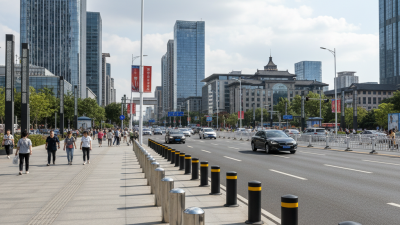
Parking bollards serve multiple functions that are essential for urban planning and safety. They act as physical barriers that help control vehicle access in specific areas. For instance, bollards can protect pedestrians in busy city streets. They guide traffic away from certain locations, ensuring safety for both drivers and pedestrians. In high-traffic areas, these structures become crucial for maintaining order.
Choosing the right bollard requires understanding their functionality. Some bollards are fixed, while others are removable or collapsible. Fixed bollards provide permanent barriers. Removable options allow for flexibility when needed. Consider the environment, intended use, and aesthetic appeal when selecting. For example, heavy-duty materials offer durability in high-impact areas. Installation and maintenance costs also play a significant role.
Reflecting on the purpose of bollards, one must consider their limitations. A well-placed bollard may not deter all reckless drivers. Additionally, excessive use can clutter space and confuse pedestrians. Each area has unique needs. Regular assessment of bollard effectiveness is vital to optimize safety and accessibility. By weighing functionality against these considerations, one can make informed choices that enhance public spaces.
Assessing Your Specific Parking Needs and Requirements
Choosing the right parking bollards requires a careful assessment of your specific parking needs. Start with understanding the area you need to protect. Is it a parking lot, a residential driveway, or an outdoor event space? Each space has unique requirements. For instance, a busy commercial area may need sturdier bollards to handle vehicle impact, while a residential area might opt for more aesthetic options.
Consider factors like visibility and accessibility. Will the bollards be easily seen by drivers? They should stand out but not be an eyesore. Think about how often you need to move them, too. Fixed bollards are durable but lack flexibility. Removable or collapsible options offer versatility but might not withstand heavy traffic. It's a balance between security and functionality.
Gather feedback from users in the area. Sometimes decisions made in isolation miss critical perspectives. Local regulations may also affect your choices. Reflect on how often maintenance will be required. A high-maintenance solution may not be ideal for busy parking spots. Overall, a thoughtful approach to your specific needs will help you make the best choice.
Exploring Different Types of Parking Bollards Available
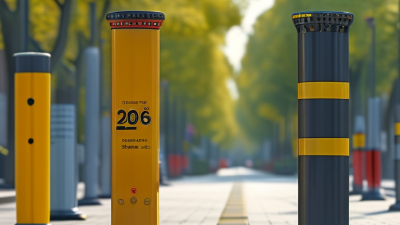
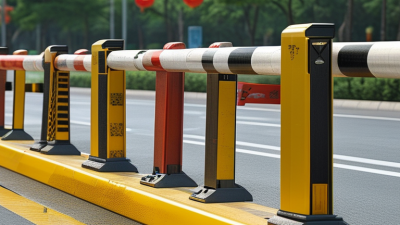
Parking bollards come in various types, each serving different functions. Understanding these types helps in making informed decisions. Fixed bollards provide security and prevent vehicle access. They are often made of steel or concrete, ensuring durability. Removable bollards offer flexibility, allowing access when necessary. They can be particularly useful in dynamic environments.
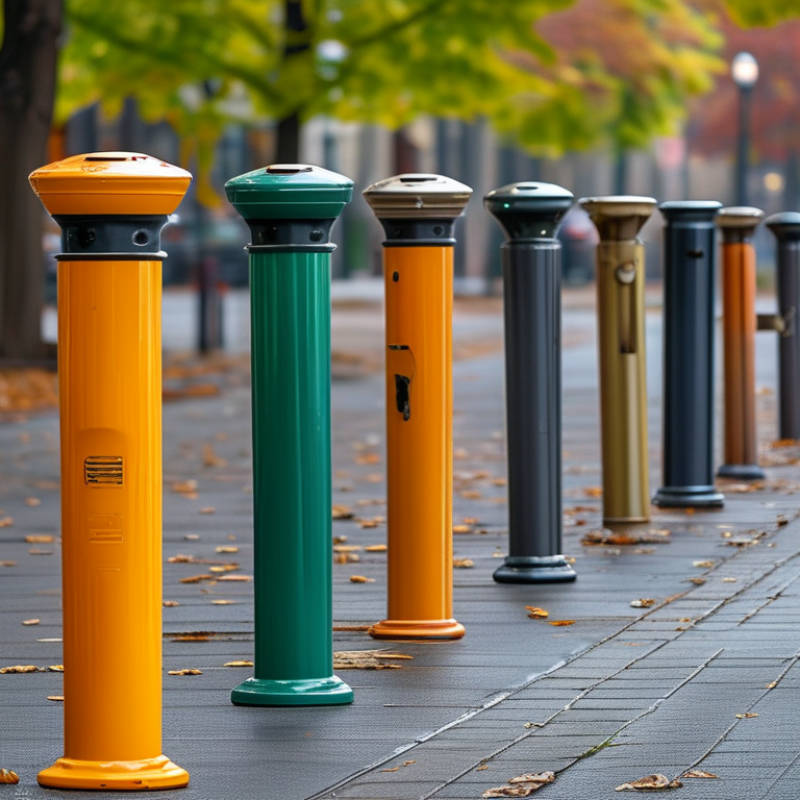
When selecting parking bollards, consider the environment and user needs. For high-traffic areas, choose reflective or brightly colored options to enhance visibility. Strong materials resist impacts and harsh weather. Innovative designs, such as collapsible bollards, cater to various demands while offering space-saving solutions.
Tips: Ensure the bollards meet local safety regulations. Periodic maintenance can extend their life. Analyze the area to determine the appropriate height and spacing for your bollards. Remember, the goal is not just aesthetics but also functionality. Even small oversights can lead to ineffective installations. Reflect on your choices and future needs.
Evaluating Material Durability and Weather Resistance
When choosing parking bollards, evaluating material durability and weather resistance is crucial. The right materials can withstand harsh conditions. For instance, steel and concrete are often favored for their strength. They resist dents and damage from vehicles, offering protection. However, they may require additional coatings for corrosion resistance.
On the other hand, plastic bollards are lightweight, which can be an advantage. Yet, they may not hold up well in extreme weather conditions. Over time, UV exposure can cause fading and brittleness. These factors need careful consideration.
A thoughtful approach can prevent future issues. If budget constraints limit choices, consider a balance between durability and cost. Research the environment where the bollards will be installed. Will they face harsh winters or salty air from a coastal area? These details inform the best material selection. Not every solution fits every need, so reflect on specific use cases.
Durability and Weather Resistance of Parking Bollard Materials
Analyzing Installation and Maintenance Considerations for Bollards
When selecting parking bollards, installation is a crucial factor. The ground condition affects how well they function. A solid, level surface will ensure stability. You may need to excavate or use special tools. Consider consulting a professional if you feel uncertain. Proper installation reduces future maintenance and increases safety.
Maintenance is another key aspect. Regular checks for damage can prevent bigger problems. Look for rust, paint chipping, or structural issues. Some may require repainting every few years. Not all bollards are made equal. Understand the materials used; some will last longer than others. A poorly chosen bollard can be more costly over time.
Think about your specific needs. Some areas may have heavy traffic, while others may not. This impacts the type and strength of bollards required. Reflect on the aesthetic as well. They should blend well with your environment. A mismatch can lead to customer confusion. Always prioritize functionality alongside appearance. The right bollard choice reflects careful planning and foresight.
How to Choose the Best Parking Bollards for Your Needs? - Analyzing Installation and Maintenance Considerations for Bollards
| Bollard Type |
Material |
Height (inches) |
Weight (lbs) |
Installation Difficulty |
Maintenance Requirement |
| Removable Bollard |
Steel |
36 |
25 |
Medium |
Low |
| Fixed Bollard |
Concrete |
42 |
50 |
High |
Medium |
| Automatic Bollard |
Aluminum |
30 |
40 |
Very High |
High |
| Flexible Bollard |
Polyethylene |
36 |
10 |
Low |
Very Low |