Leave Your Message

7 Best Tugboat Fender Manufacturers for Global Buyers

Choosing the right Tugboat Fender manufacturer affects crew safety, hull protection, maintenance costs, and daily maneuvering performance. A dependable supplier must understand working vessels, not merely produce rubber components. Harbor approaches, ship-to-ship contact, narrow channels, and rough weather demand equipment with predictable energy absorption.

Marine fender engineer David R. Morgan offers a practical reminder: “A fender succeeds when it protects the vessel without complicating the crew’s work.” This principle deserves attention. A thick fender is not automatically the best fender. Its rubber grade, compression behavior, mounting method, and recovery performance must match the tug’s size and operating profile.

This guide examines seven Tugboat Fender manufacturers serving global buyers. It considers product design, manufacturing control, customization, testing practices, delivery capability, and after-sales support. These details matter when a tug operates far from a replacement warehouse.

Look closely.

A serious comparison should include cylindrical, sliding, W-type, D-type, and molded fender solutions. It should also examine steel reinforcement, chain systems, bonded construction, and resistance to oil, seawater, abrasion, and ultraviolet exposure. Certification can support confidence, but paperwork alone does not prove field performance.

Buyer requirements also vary. A harbor tug may need compact side protection and frequent impact recovery. An escort tug may require stronger longitudinal contact protection. I have seen specifications focus heavily on price, while overlooking installation labor and replacement access. That approach can create expensive surprises later.

The manufacturers below are assessed from a practical purchasing perspective. No supplier is perfect. Buyers should still verify drawings, test reports, references, warranty terms, and regional service arrangements before placing an order.
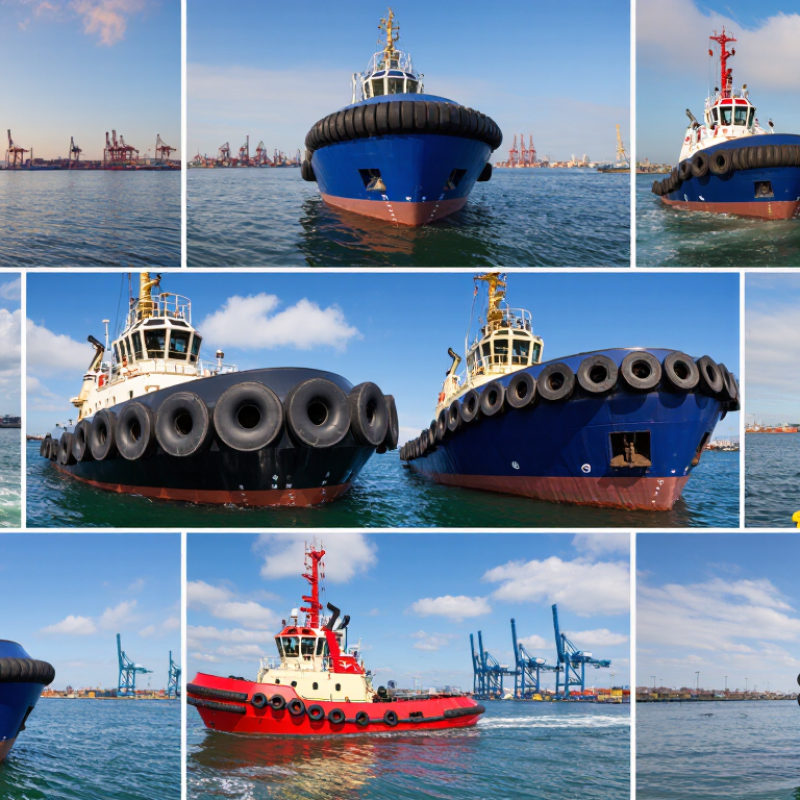
7 Best Tugboat Fender Manufacturers for Global Buyers

What Tugboat Fenders Are and Why They Matter

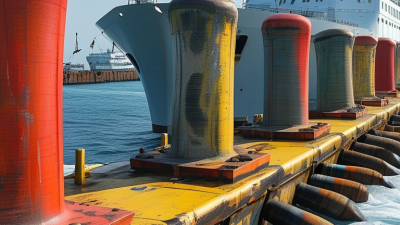
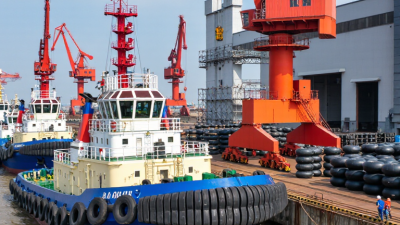
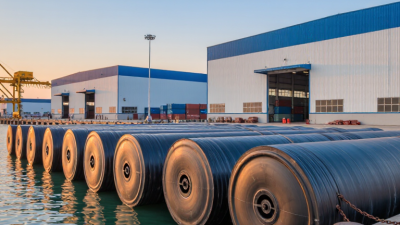
Tugboat fenders are protective systems fitted around a vessel’s bow, stern, and working sides. They absorb contact energy during pushing, towing, and berthing operations. Common designs include cylindrical, sliding, roller, and molded rubber fenders. Each type serves a different hull shape and working condition.

A reliable fender reduces impact between the tugboat and another vessel, barge, quay, or floating structure. It protects steel plating, paint, deck equipment, and crew working nearby. In rough water, even a small contact can create heavy pressure. A suitable fender spreads that force across a wider area. Material quality also matters. Marine-grade rubber should resist abrasion, seawater, sunlight, and repeated compression. Still, no fender lasts forever. Poor alignment, hidden cracks, and uneven wear can weaken protection earlier than expected.

Tips: Measure the contact area before requesting quotations. Check energy absorption, reaction force, hardness, mounting method, and replacement availability. Ask for test data and clear tolerances. Inspect fenders after severe contact, not only during scheduled maintenance. We sometimes focus too much on size and overlook towing speed, wave movement, and real operating habits. That can lead to an expensive mismatch. A practical supplier should explain these limits plainly, provide installation guidance, and support inspection records for global buyers.
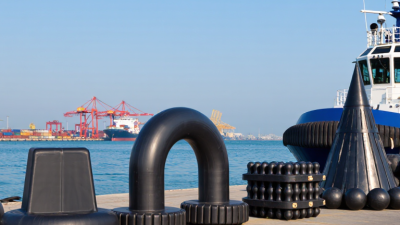

Key Features of Reliable Tugboat Fender Systems

7 Best Tugboat Fender Manufacturers for Global Buyers

Key Features of Reliable Tugboat Fender Systems

Reliable tugboat fenders must absorb impact without creating excessive reaction force. This balance protects both hull plating and quay structures during pushing, berthing, and escort operations. UNCTAD’s Review of Maritime Transport 2024 reported that global seaborne trade grew by about 2.4% in 2023. More vessel movements place greater pressure on port equipment and maintenance teams. Field experience shows that poor fender alignment often causes faster edge wear than heavy contact alone.

Material quality matters. Marine-grade rubber should resist seawater, ozone, ultraviolet exposure, and repeated compression. A useful system also has reinforced chains, secure brackets, and replaceable contact faces. ISO 17357 provides recognized testing principles for pneumatic rubber fenders, including energy absorption and reaction force performance. Buyers should request verified test results, not only catalogue ratings. Small gaps between rated and actual performance can become expensive.

Design must match the tug’s hull shape and working profile. Cylindrical, D-shaped, W-shaped, and sliding fenders serve different contact conditions. PIANC guidance stresses practical assessment of berthing energy, friction, and structural loads. Temperature changes also affect rubber stiffness, although this factor is sometimes overlooked. A perfect specification is not always practical. Crews need quick inspection access, clear wear limits, and simple replacement procedures. Check the details. Data sheets should identify rubber composition, tolerances, attachment methods, and inspection intervals.

Key Features of Reliable Tugboat Fender Systems

Illustrative procurement weighting based on common marine fender evaluation criteria. The percentages represent relative selection priorities, not company or brand performance.

Energy absorption and controlled reaction force are typically the primary performance considerations. Abrasion resistance, secure attachment, material durability, weather resistance, and ease of maintenance also contribute to long-term tugboat fender reliability.

How to Evaluate Tugboat Fender Manufacturers

Choosing a tugboat fender manufacturer requires more than comparing catalog prices. Start with product performance. Ask for rubber compound data, compression curves, abrasion results, and recommended operating limits. Experienced manufacturers should explain how each fender handles contact speed, hull shape, tide movement, and repeated impact. Their answers should be clear, not vague.

Inspect the production process closely. Review mold quality, reinforcement placement, curing controls, and final inspection records. Request batch traceability and independent test reports when available.

A reliable supplier can provide drawings, installation guidance, maintenance instructions, and realistic delivery schedules. Speak with previous marine customers if possible. Their working experience often reveals problems hidden in polished brochures. Check the details.

Tips: Compare identical specifications, not just quoted prices. Ask whether dimensions, rubber hardness, chains, bolts, and end fittings are included. Confirm the manufacturer’s response time for urgent replacement parts. A factory visit can also reveal storage conditions, cleanliness, and quality discipline. These small observations matter.

A strong manufacturer should discuss limitations openly. No fender performs perfectly in every harbor. Environmental exposure, poor alignment, and excessive vessel speed can shorten service life. I would also examine warranty terms carefully, including inspection duties and exclusions. One weakness remains: test data may not represent every real berth. Combine documents with practical trials, engineering review, and feedback from crews who use the equipment daily.

Seven Leading Tugboat Fender Manufacturers for Global Buyers

The seven leading tugboat fender manufacturers for global buyers stand out through reliable design, controlled production, and responsive technical support. Their products must absorb repeated impacts during towing, berthing, and ship-to-ship operations. Strong manufacturers use marine-grade rubber, reinforced chains, and carefully shaped contact surfaces. They also provide drawings, load data, inspection records, and installation guidance. These details help buyers compare suppliers beyond attractive catalog photographs.

Tips: Check the fender’s energy absorption, reaction force, size tolerance, and working environment. Ask whether testing covers saltwater exposure, abrasion, compression, and repeated loading. Confirm production capacity before placing large international orders. Delivery planning matters, especially when port schedules are tight. A clear warranty is useful, but traceable quality records are more valuable.

Experienced buyers should also examine communication quality. Can the manufacturer explain material choices in practical terms? Can engineers adjust dimensions without weakening performance? Reliable suppliers answer these questions with evidence, not vague promises. Factory audits, sample inspections, and independent testing can reduce procurement risk. Still, no shortlist is perfect. A technically strong manufacturer may have slower logistics or weaker documentation. Another may offer fast delivery but limited customization. The best decision balances performance, support, lead time, and total ownership cost. Recheck every assumption before signing. Small details often decide whether a tugboat fender performs smoothly after months of hard service.

How to Select the Right Manufacturer for Your Vessel

Selecting the right tugboat fender manufacturer begins with your vessel, not a catalogue. A 20-meter harbor tug needs different protection from a 40-meter escort tug operating in swell. Check hull contact points, working speed, displacement, freeboard, and berth conditions. Measure the real contact area. Guesswork becomes expensive during a hard push.

UNCTAD’s Review of Maritime Transport 2024 reported 12.3 billion tonnes of seaborne trade in 2023, with maritime traffic still expanding. More port movements mean more repeated fender impacts. Ask manufacturers for compression curves, energy absorption values, shear resistance, aging tests, and third-party inspection records. ISO 17357:2014 provides requirements for high-pressure floating pneumatic rubber fenders, but certification alone does not prove suitability for every tug. Request test results at your operating temperature and pressure. Small details matter.

Experience also shows that installation support can matter as much as rubber quality. Confirm chain, bracket, bolt, and panel compatibility before ordering. Inspect sample sections for uniform molding, surface cracks, and weak seams. A lower quotation may hide shorter service life or difficult replacement. I would also challenge one common assumption: heavier is not always better. Excessive stiffness can increase hull loads during angled contact. Select a supplier that explains its calculations, admits design limits, and provides traceable inspection documents. Then compare lifecycle cost, not only purchase price.

7 Best Tugboat Fender Manufacturers for Global Buyers - How to Select the Right Manufacturer for Your Vessel
Rank Anonymous Manufacturer Profile Primary Fender Types Typical Tugboat Applications Rubber Compound & Reinforcement Customization Capability Quality Documentation to Request Best Fit for Global Buyers
1 Profile A
Integrated Marine-Fender Specialist
Cylindrical D-shaped Sliding Heavy-duty tug sides, bow protection, ship-assist operations and quay contact. Marine-grade natural or synthetic rubber with textile or steel reinforcement selected according to load and abrasion requirements. High
Can normally support custom lengths, holes, grooves, end fittings and mounting arrangements.
Rubber test reports, dimensional inspection records, compound data, drawings and traceability documents. Buyers needing a complete fender package from design support through delivery.
2 Profile B
High-Abrasion Rubber Molder
M-shaped W-shaped Sliding High-frequency pushing, escort towing, ship-assist work and vessels operating against steel contact surfaces. Compounds optimized for abrasion resistance, tear strength and repeated compression; reinforcement depends on the profile design. High
Suitable for profile-specific tooling, fastening slots and non-standard cross-sections.
Hardness, tensile strength, elongation, tear strength, abrasion and compression-set results. Operators prioritizing service life under repeated rubbing and sliding contact.
3 Profile C
Large-Section Extrusion Producer
D-shaped Cylindrical Rectangular Large workboats, escort tugs, harbor tugs and vessels requiring continuous side belting. Extruded rubber profiles with steel or fabric reinforcement options for improved dimensional stability. Medium to High
Best for continuous lengths, mitered corners, drilled sections and bonded assemblies.
Extrusion dimensional reports, splice details, rubber test results, batch identification and installation drawings. Projects requiring long uninterrupted lengths and consistent cross-sectional dimensions.
4 Profile D
Custom-Molded Composite Supplier
W-shaped M-shaped Cone High-load bow, stern and shoulder areas where energy absorption and controlled reaction force are important. Engineered rubber compounds combined with steel inserts, sliding plates or low-friction face materials. Very High
Can accommodate complex geometries, embedded plates, special hole patterns and integrated fittings.
Design calculations, mold drawings, material certificates, bonding records and performance test data. Buyers with unusual hull geometry or detailed engineering requirements.
5 Profile E
Standard-Range Marine Rubber Supplier
D-shaped Cylindrical Square General harbor towing, workboats, pilot boats and routine alongside operations. Standard marine rubber grades selected for a balance of resilience, abrasion resistance and cost. Medium
Common sizes and mounting patterns are usually more economical than fully custom designs.
Product datasheets, hardness reports, dimensional tolerances, packing lists and certificates of origin. Cost-sensitive projects using established standard profiles and sizes.
6 Profile F
Low-Temperature Marine-Fender Specialist
Cylindrical D-shaped W-shaped Cold-region ports, seasonal operations, ice-prone waters and vessels exposed to large temperature changes. Low-temperature rubber formulations designed to retain flexibility and impact performance in cold service conditions. Medium to High
Can adapt compound selection, reinforcement and profile dimensions to operating temperature.
Low-temperature flexibility results, hardness range, tensile data, aging results and temperature-service recommendations. Buyers whose vessels operate in northern, subarctic or winter port environments.
7 Profile G
Export-Oriented Fender Assembly Supplier
Sliding D-shaped Cylindrical Fleet replacement programs, international shipyards, retrofit projects and multi-vessel orders. Standard marine rubber combined with UHMW-PE or other low-friction face materials where sliding contact is expected. High
Supports pre-assembled kits, labeled components, export packing and project-based documentation.
Commercial invoice, packing list, country-of-origin documents, installation manual, drawings and inspection reports. Global buyers that value logistics coordination, replacement consistency and export readiness.
Selection note: Before placing an order, confirm vessel displacement, operating speed, contact frequency, mounting structure, required clearance, temperature range, abrasion conditions, reaction-force limits and applicable class or port requirements. Manufacturer claims should be verified through current test reports, drawings, samples and contract specifications.