Leave Your Message

What Is a Parking Bollard and Which Type Is Best?

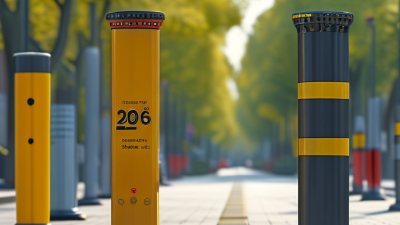
A parking bollard is a short, strong post designed to control vehicle movement and protect people, buildings, and equipment. Parking Bollards can mark pedestrian zones, guard charging stations, or separate vehicles from storefronts. They look simple. Their purpose is not.

Choosing the best type requires more than comparing prices. A fixed steel bollard may suit a busy loading area, while a removable model can preserve occasional vehicle access. Retractable and automatic bollards offer controlled entry, but they need dependable mechanisms, power, and regular servicing. Flexible plastic posts improve visibility, though they usually provide less physical protection. I have seen attractive installations fail because spacing was too wide, lighting was poor, or the foundation was overlooked. That detail matters.

Reliable selection begins with the site. Measure vehicle paths, turning areas, drainage, ground conditions, and pedestrian routes. Consider impact risk, visibility, maintenance access, and the local environment. Product data, tested performance, installation instructions, and qualified professional advice should guide the decision. Manufacturer claims still deserve careful checking.

There is no universal winner.

A successful layout balances protection with daily convenience. It should remain visible at night, resist expected weather, and avoid creating unnecessary hazards for pedestrians or cyclists. Sometimes the most expensive option is not the most suitable. Sometimes a basic fixed bollard performs better because it has fewer parts to fail. This guide examines common Parking Bollards, their strengths, their limits, and the practical questions that deserve honest attention before installation.
What Is a Parking Bollard and Which Type Is Best?

What Is a Parking Bollard?

What Is a Parking Bollard and Which Type Is Best?

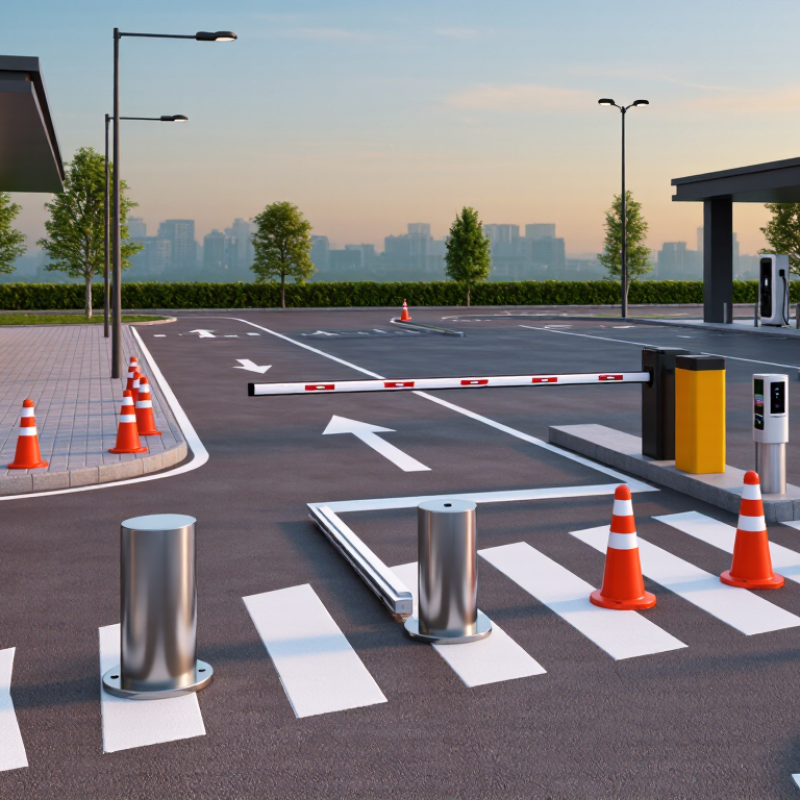
A parking bollard is a short, sturdy post that controls vehicle movement and protects people, walls, doors, and equipment. You may see one beside a parking bay, loading area, or pedestrian entrance. Some models are fixed, while others fold, retract, or detach when access is needed.

Its purpose is simple. It creates a visible boundary before a driver reaches a vulnerable surface.

The 2010 ADA Standards require accessible routes to maintain at least 36 inches of clear width. They also require a 60-by-60-inch passing space at intervals up to 200 feet when routes are narrower than 60 inches. Bollard placement must respect these dimensions. A badly positioned post can protect a wall but restrict wheelchair movement.

Selection depends on risk, impact, and daily use. Fixed steel bollards suit busy vehicle zones. Removable posts work better where occasional access is necessary. Flexible models may guide traffic without causing severe vehicle damage.

ASTM F3016/F3016M provides a recognized test method for vehicle-impact protective devices, but test results should match the site’s actual threat. A light decorative post is not a crash barrier. That mistake happens often.

Measure turning paths, visibility, drainage, and maintenance access before installation. The 2023 MUTCD stresses consistent visibility for traffic-control devices, which supports using contrasting finishes and reflective elements. Yet reflection alone is not enough. A post hidden behind a tall vehicle remains a hazard.
How Parking Bollards Work and Where They Are Used

What Is a Parking Bollard and Which Type Is Best?

How Parking Bollards Work and Where They Are Used

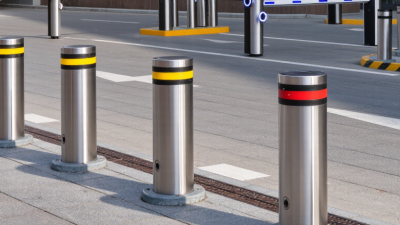
A parking bollard is a vertical barrier that controls vehicle movement near people, buildings, and equipment. Fixed models are anchored into concrete and provide constant protection. Removable models use ground sockets, allowing occasional vehicle access. Retractable and automatic models descend below ground when authorized access is needed. Their choice depends on impact risk, traffic frequency, maintenance capacity, and emergency access requirements.

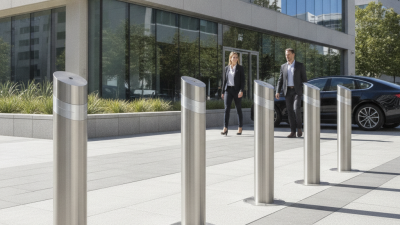
Placement matters. A row of bollards can protect a sidewalk, loading entrance, parking ticket machine, or building frontage. In a busy car park, spacing should block vehicle entry without creating narrow pedestrian traps. Engineers often assess vehicle weight, approach speed, foundation depth, and visibility before selecting a product. Poor installation can leave a strong bollard surprisingly weak. It is not magic.

The need is measurable. NHTSA’s Traffic Safety Facts 2022 reported 7,522 pedestrian deaths in the United States. The WHO’s Global Status Report on Road Safety 2023 estimated 1.19 million annual road traffic deaths worldwide. These figures do not prove that bollards alone prevent collisions. They show why passive separation deserves careful design. For higher-risk sites, tested systems should reference recognized standards, such as ASTM F3016 or vehicle-impact specifications under PAS 68 and IWA 14-1. Fixed steel bollards may suit permanent hazards, while flexible units can guide low-speed traffic with less damage. Automatic systems offer convenience, but sensors, power supplies, and maintenance can fail. That weakness is often overlooked.

What Is a Parking Bollard and Which Type Is Best? - How Parking Bollards Work and Where They Are Used

Bollard Type How It Works Primary Purpose Typical Protection Level Best Locations Advantages Limitations Recommended Use
Fixed Bollard A permanently anchored steel, concrete, or reinforced post remains in position at all times. Continuous vehicle exclusion and perimeter protection. Medium to high, depending on material, foundation, spacing, and tested design. Building fronts, pedestrian zones, storefronts, loading areas, and parking edges. Reliable, low-maintenance, and always active. Cannot be removed quickly; may restrict maintenance or emergency access. Best general choice where access must remain permanently blocked.
Removable Bollard The post locks into a ground socket and can be lifted out using a key or release mechanism. Controlled vehicle access with occasional opening. Low to high, based on the post, socket, locking system, and installation. Service entrances, event spaces, private driveways, and fire-access routes. Flexible and generally simpler to maintain than powered systems. Requires manual handling and secure storage when removed. Best where access changes periodically but not frequently.
Retractable Bollard The post lowers into a below-ground housing and rises when access is required. Frequent vehicle access control while preserving a clear surface when lowered. Medium to high, depending on the tested model and foundation. Parking entrances, restricted streets, campuses, plazas, and mixed-use developments. Convenient operation and a clean, unobstructed appearance when retracted. Higher installation cost; drainage, power, and servicing may be required. Best for sites that need regular, managed access.
Automatic Bollard An electric, hydraulic, or pneumatic actuator raises and lowers the bollard through a control system. Automated access management and security control. Medium to high, depending on construction and certification. High-traffic parking facilities, secure sites, government areas, and controlled entrances. Can integrate with cards, keypads, remote controls, sensors, and access software. Needs power, maintenance, access-control planning, and a manual override strategy. Best when convenience and centralized control justify the added complexity.
Manual Folding Bollard The post folds down or pivots close to the ground and is secured in the upright position. Parking-space protection and occasional access restriction. Low to medium; usually intended for parking control rather than severe impact resistance. Private parking spaces, driveways, garages, and reserved bays. Affordable, space-efficient, and easy to operate without power. Less suitable for high-speed impacts or locations requiring frequent operation. Best for preventing unauthorized parking in low-risk areas.
Flexible Bollard A resilient polymer or rubberized post bends or deflects when struck and returns toward its original position. Visual guidance, lane separation, and low-speed traffic management. Low; not intended to stop vehicles. Parking aisles, pedestrian paths, temporary traffic layouts, and corner protection. Reduces vehicle and property damage during minor contact; lightweight and economical. Provides limited physical security and can be cut or damaged more easily than steel. Best for visibility and guidance rather than security.
Crash-Rated Bollard A reinforced bollard and engineered foundation are designed and independently tested against specified vehicle-impact conditions. High-security vehicle mitigation and protection of people or critical assets. High, but performance depends on the exact tested configuration and installation. Critical infrastructure, public venues, building entrances, and vulnerable pedestrian areas. Offers documented impact performance when correctly specified and installed. Higher cost, substantial foundations, and strict installation requirements. Best where vehicle-ramming risk must be formally assessed and reduced.
Selection Guide: Choose a fixed bollard for permanent protection, a removable or folding bollard for occasional access control, a retractable or automatic bollard for frequent vehicle management, a flexible bollard for visual guidance, and a crash-rated bollard where verified impact resistance is required. Always confirm local accessibility, drainage, emergency-access, visibility, and installation requirements before specifying a bollard.

The Main Types of Parking Bollards

What Is a Parking Bollard and Which Type Is Best?

The Main Types of Parking Bollards

A parking bollard is a short, strong post that controls vehicle access and protects people, walls, doors, or equipment. Its effectiveness depends on placement, visibility, impact rating, and maintenance, not appearance alone.

Fixed bollards are anchored permanently into concrete. They suit entrances, pedestrian edges, and loading areas where vehicles must never pass. Removable bollards use sockets, allowing authorized access when needed. However, the socket can collect water and dirt. Regular cleaning is easy to overlook.

Manual retractable bollards fold or lower into the ground. They work well for occasional access, especially in shared driveways. Automatic rising bollards use powered mechanisms and sensors. They offer convenient control, but need reliable power, drainage, inspections, and emergency planning. A failed mechanism can block the wrong people.

Flexible bollards bend after contact and return upright. They improve lane guidance and reduce vehicle damage, but they are not a serious security barrier. Reflective or illuminated models help drivers notice edges at night. This matters near ramps and tight turns. In practice, the best type depends on vehicle speed, ground conditions, access frequency, and visibility. I would not choose a heavy fixed post for every site. That approach can create awkward access and poor pedestrian flow.

What Is a Parking Bollard and Which Type Is Best?

Parking bollards are vertical posts used to control vehicle access, protect pedestrians and buildings, and organize parking areas. The chart compares representative dimensions commonly used for major parking bollard types.

Fixed and removable steel bollards provide a similar visible height, while flexible models are shorter and designed to recover after impact. Automatic rising bollards are wider because they contain mechanical lifting equipment. Actual dimensions should be verified against site conditions, accessibility requirements and local regulations.

How to Compare Bollard Materials, Designs, and Security Levels

What Is a Parking Bollard and Which Type Is Best?

A parking bollard is a short post that guides vehicles, protects buildings, or separates pedestrian areas. Its material affects strength, appearance, maintenance, and service life. Galvanized steel offers practical impact resistance and suits busy parking areas. Stainless steel looks cleaner but costs more and may show dents clearly. Concrete provides weight and stiffness, although repairs can be difficult. Plastic or flexible posts work for visual guidance, not serious vehicle protection.

Design details matter as much as material. Fixed bollards provide reliable protection but can obstruct maintenance access. Removable models support occasional vehicle entry, while retractable units offer better control and higher installation costs. Spacing should stop vehicles without creating a trip hazard or narrowing accessible routes. Reflective bands, contrasting colors, and adequate lighting improve visibility at night.

Small details matter.

Security level should match the actual risk. Decorative bollards may define a boundary. Reinforced steel posts can resist accidental low-speed contact. Engineered crash-rated systems are intended for more demanding threats and require verified testing, correct foundations, and professional installation.

A strong post with a weak base is not strong.

This is often overlooked. Soil conditions, drainage, corrosion exposure, and vehicle size can change performance. I would not choose from photographs alone. A site assessment may reveal turning paths, hidden utilities, or poor sightlines. Even experienced planners can overestimate appearance and underestimate maintenance.

During review, check impact requirements, anchoring depth, inspection access, and replacement procedures before approving the design.

Which Parking Bollard Is Best for Your Needs?

Choosing the best parking bollard starts with the site, not the product label. A hospital entrance needs clear pedestrian guidance, while a retail forecourt may need stronger vehicle protection. Fixed steel bollards suit permanent hazards. Removable models work better where delivery access changes weekly. Automatic rising bollards offer controlled access, but they need power, drainage, and regular servicing.

Crash performance deserves careful attention. ASTM F3016 evaluates vehicle security barriers with a 5,000-pound vehicle at impact speeds of 10, 20, and 30 mph. IWA 14-1 also records vehicle mass, speed, and impact angle. These details matter. A bollard tested at one speed may not protect against another vehicle or angle. Ask for the complete test rating, not a vague “high security” claim.

Visibility is equally practical. The U.S. Access Board’s accessibility guidance emphasizes detectable features in pedestrian routes, especially for people using mobility devices. Use contrasting colors, reflective bands, and consistent spacing. A six-inch gap may look harmless, yet it can guide a wheelchair toward traffic. Poor placement remains common. I have seen strong bollards installed too close to doors, forcing people into awkward turning paths. That mistake needs honest review. Consult a qualified civil or security engineer before selecting foundation depth, spacing, and impact resistance.