2026 How to Choose the Right Warehouse Bollards for Your Facility?
Choosing the right Warehouse Bollards for your facility is crucial for safety and efficiency. Warehouse Bollards serve as vital protective barriers, shielding both personnel and equipment. They are not just physical structures; they reflect a commitment to safety in the workplace.
When selecting bollards, consider their material and design. Steel bollards can withstand heavy impacts, while plastic versions may suit lighter tasks. The environment also matters. Industrial spaces may require more robust bollards than retail areas. You should evaluate how bollards align with your specific needs.
Yet, choosing the right one isn't always straightforward. Mistakes can lead to inadequate protection or unnecessary expenses. Reflecting on your budget and operational requirements is essential. Warehouse Bollards are an important investment. They contribute to a safe and organized working environment. Proper selection enhances workflow and minimizes risks.
Understanding the Purpose of Warehouse Bollards in Facility Safety
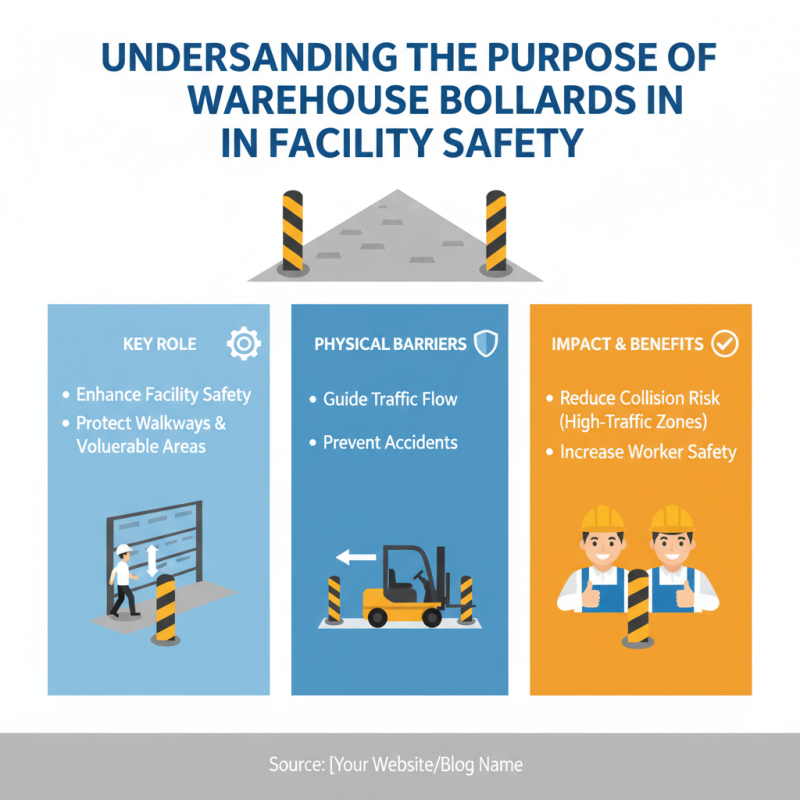
Warehouse bollards play a crucial role in enhancing facility safety. These sturdy posts protect walkways and vulnerable areas from vehicle damage. They act as physical barriers, guiding traffic and preventing accidents. Proper placement of bollards can reduce the risk of collisions, especially in high-traffic zones. Workers feel safer knowing that these barriers exist.
Choosing the right bollards involves understanding their purpose. Different types offer varying levels of protection. Some are designed for heavy-duty environments. Others serve light-duty operations. It's essential to evaluate the specific needs of your facility. Consider vehicle types and traffic patterns. Visual visibility is also vital; well-marked bollards can increase awareness and caution among drivers and pedestrians.
Installation of bollards can present challenges. Misplaced or poorly designed bollards may create hazards. Regular inspections are necessary to ensure they remain functional. Over time, wear and tear can compromise their integrity. Reflecting on past incidents can guide improvements in bollard selection and placement. A thoughtful approach leads to a safer working environment for everyone involved.
Evaluating Different Types of Bollards for Specific Warehouse Needs
When evaluating different types of warehouse bollards, it’s essential to consider the specific needs of your facility. According to a report by the Warehouse Safety Institute, 70% of warehouse accidents involve vehicles colliding with stationary objects. Thus, selecting the right bollard can significantly enhance safety protocols.
Concrete bollards offer robust protection in high-traffic areas. They can withstand forceful impacts, mitigating potential damage. However, their fixed position can hinder flexibility in layout changes. On the other hand, removable bollards allow for adaptability in dynamic environments. They provide access when needed, but they may not always offer the same level of protection.
Another crucial factor is visibility. Brightly colored bollards can help in guiding traffic and enhancing safety. A study noted that facilities with well-marked bollards experienced a 30% reduction in accidents. It’s worth reflecting on whether your current bollard strategy is effectively serving your facility’s unique demands. Sometimes, the most visible solution is not the most protective. Evaluating both aesthetic and functional attributes will lead to better decision-making in warehouse safety management.
Assessing Material Durability and Impact Resistance in Bollard Selection
Choosing the right warehouse bollards involves assessing material durability and impact resistance. Bollards serve as protective barriers and ensure safety in bustling environments. According to a report by the American Institute of Steel Construction, steel bollards can withstand impacts of up to 10,000 pounds at speeds of 5 mph. This makes them a common choice in facilities with heavy machinery.
The material of bollards significantly affects their performance. Concrete bollards offer high durability and resistance against weather elements. However, they might crack under extreme impact. On the other hand, plastic bollards are lightweight and easy to install, but they lack the strength needed for heavy-duty applications. A study from the National Safety Council found that improper bollard selection led to a 25% increase in workplace accidents over five years.
Impact resistance is equally crucial. Assessing the potential collision types in a facility helps in selecting the right bollard. For instance, a loading bay may require bollards that can absorb shocks from moving vehicles. Observations show that facilities with robust bollard systems have a 30% lower accident rate. This emphasizes the need to choose materials based on specific operational scenarios and risks. Understanding these variables can lead to a safer workplace environment.
Choosing the Right Warehouse Bollards: Material Durability and Impact Resistance
Determining Optimal Placement Strategies for Maximum Protection
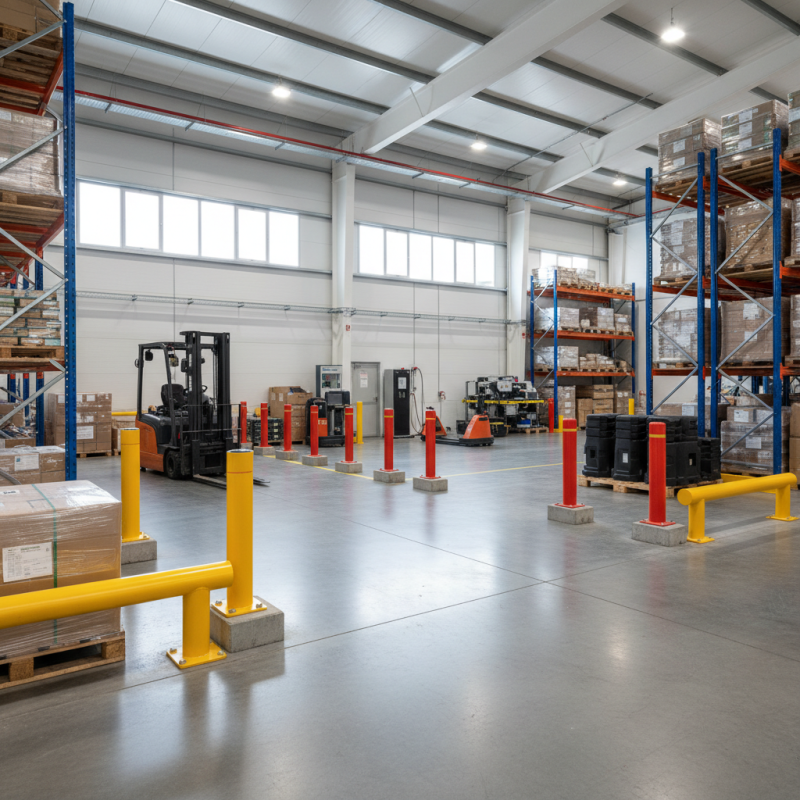
When it comes to placing warehouse bollards, strategic positioning is vital for enhanced protection. According to industry standards, facilities with poor barrier placement can face a 40% increase in accidents. This is a significant figure that highlights the need for careful planning. Consider the areas with the highest traffic flow—these spots should be prioritized when deciding where to install bollards. Placing them in front of entry points and high-value assets can deter potential collisions.
Moreover, understanding the specific threats to your facility can guide placement strategies. A report by the National Safety Council indicates that around 20% of workplace injuries involve vehicles. Therefore, focusing on vulnerable areas, such as loading docks and pedestrian zones, can mitigate risks. Additionally, bollards should be placed at intervals that allow for optimal visibility and access. This ensures that both pedestrians and vehicles are aware of the barriers.
However, it’s crucial to avoid over-reliance on barriers alone. They should complement other safety measures, not replace them. The perfect arrangement is not always clear-cut. Regular assessments can reveal hotspots that need additional protection. Being open to adjustments in placement allows for continuous improvement in safety. Always remember, a proactive approach in positioning can significantly reduce risks in a busy warehouse environment.
Compliance with Regulations and Standards for Warehouse Bollards
When selecting warehouse bollards, compliance with regulations is crucial. The Occupational Safety and Health Administration (OSHA) sets standards to ensure that workplace safety is prioritized. For instance, many workplaces often overlook the impact of bollard height and visibility. Equipment operators should clearly see any barriers to avoid collisions. Low-visibility bollards increase the risk of accidents.
According to a report from the National Institute for Occupational Safety and Health (NIOSH), over 100,000 injuries occur each year due to workplace accidents involving vehicles and pedestrians. Proper bollard placement can effectively reduce these incidents. For example, the placement should create clear pathways for pedestrian traffic while protecting sensitive areas.
Regulatory frameworks may not provide all the answers. They often leave room for interpretation, leading to inconsistencies across facilities. Organizations must regularly review and update their safety measures based on evolving standards. Implementing bollards built to withstand impacts and providing adequate spacing can enhance safety. The gap between regulations and practical on-ground reality often necessitates ongoing training and vigilance in warehouse environments.