Best Warehouse Bollards for Safety and Security Solutions?
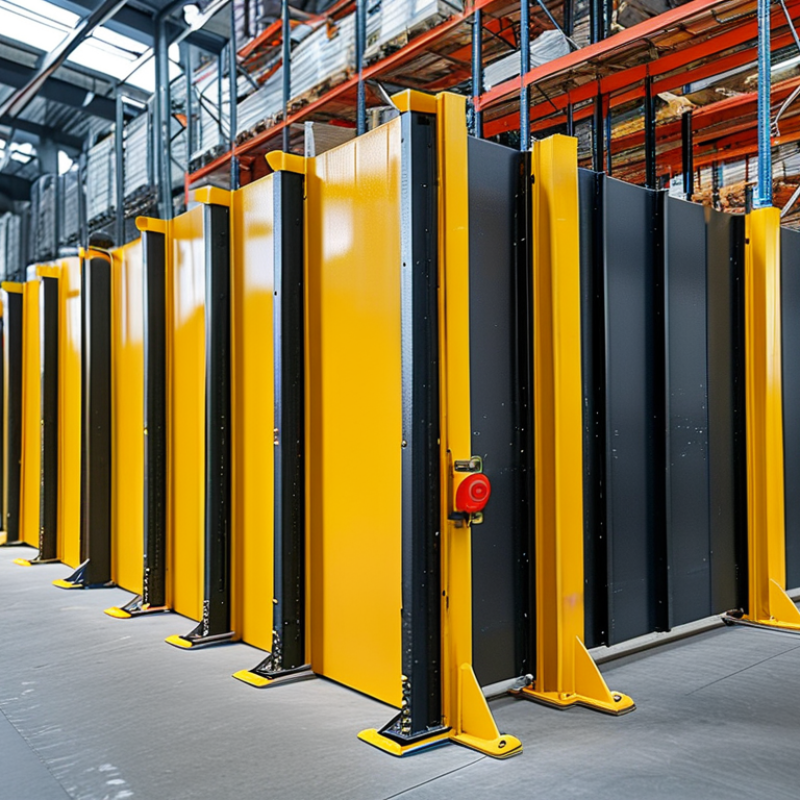
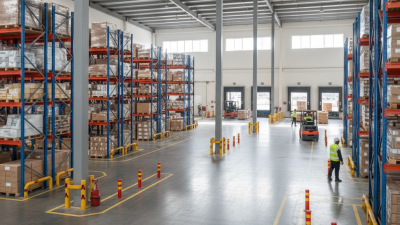
In today's fast-paced industrial environment, safety and security are paramount. Warehouse bollards play a critical role in protecting employees and equipment. These sturdy posts can prevent unauthorized access and shield buildings from vehicle collisions. Choosing the right warehouse bollards is essential for effective safety solutions.
Different materials and designs cater to various warehouse needs. Steel, for example, offers durability, while plastic bollards may be more affordable. Each option has its pros and cons. Many warehouses overlook the importance of proper installation, leading to potential hazards.
Understanding how to implement warehouse bollards can be overwhelming. Consulting with safety experts can provide valuable insights. Investing in high-quality bollards reflects a commitment to safety standards. Ultimately, the right choices can enhance security and ensure a safer work environment.
Understanding the Importance of Warehouse Bollards in Safety
Warehouse bollards play a crucial role in enhancing safety and security. According to the National Safety Council, over 25,000 forklift injuries occur annually in the U.S. This highlights the need for protective measures.
Bollards serve as barriers to prevent accidents and protect warehouse perimeters. They can reduce the risk of vehicle collisions with buildings and personnel.
Effective bollard installations can deter unauthorized access to restricted areas. A report by the Occupational Safety and Health Administration (OSHA) indicates that proper safety measures can reduce workplace injuries by up to 50%. However, some facilities still overlook their implementation. Not all businesses prioritize effective safety solutions, leading to potential hazards.
In addition, not all bollards are created equal. It’s important to assess their material and strength. Subpar options may not withstand high-impact collisions. Facility managers should regularly inspect bollards for wear and damage. Timely maintenance could prevent safety issues. Ultimately, placing emphasis on quality bollards can make a significant difference in warehouse environments.
Types of Warehouse Bollards: Materials and Design Variations
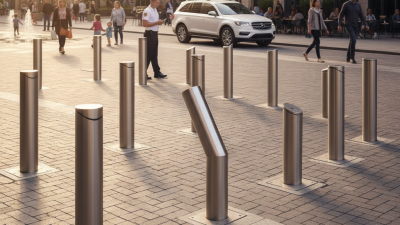
When selecting warehouse bollards, materials and design play crucial roles in safety and security. Steel is a common choice due to its durability. It can withstand heavy impacts, making it ideal for high-traffic areas. However, some may find steel prone to rust if not coated properly. Alternatives like plastic and concrete also exist. They offer varying levels of impact resistance. Each material comes with its pros and cons.
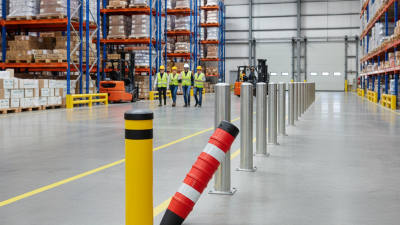
Design variations further enhance bollard effectiveness. Removable bollards allow for flexible access, while fixed bollards provide permanent protection. Color-coded bollards can signal specific safety zones, aiding visibility. However, aesthetics might not always meet functional needs. One must consider both the visual appeal and practicality. In some cases, overly decorative designs can compromise strength or clarity of purpose.
Ultimately, the right combination of materials and design is essential. Every warehouse has unique needs. Understanding these requirements helps in making informed choices. This ensures not only compliance with safety standards but also promotes a secure environment for workers and assets. The balance between form and function is a continuous challenge that requires careful evaluation.
Warehouse Bollards Material Comparison
Key Features to Consider When Choosing Warehouse Bollards
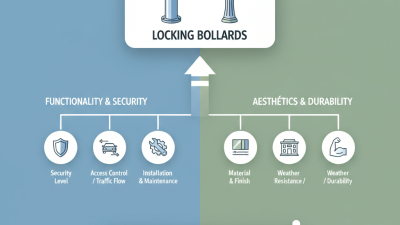
When selecting warehouse bollards, safety and durability are paramount. Look for materials that withstand impact. Steel and concrete are common choices. These materials offer strength and resilience, crucial for high-traffic areas. Opt for bollards with a rust-resistant coating. This increases longevity, especially in outdoor settings. Reflective coatings improve visibility, enhancing safety during low-light conditions.
Consider the height and diameter of the bollards. Taller bollards provide greater protection for buildings. Wider bases enhance stability, preventing tipping. Additionally, assess the installation process. Some bollards require professional installation. Others offer easy, DIY options. These details affect not just functionality, but also the overall cost.
Think about aesthetics as well. While functionality is essential, a visually appealing design can complement the warehouse environment. Pay attention to color options too. Bright colors can serve as effective visual warnings. Despite these guidelines, there's no one-size-fits-all solution. It’s vital to adapt choices to specific warehouse needs, considering layout and traffic patterns.
Installation and Maintenance Tips for Effective Bollard Use
When it comes to the installation of warehouse bollards, location is key. Assess high-traffic areas where protection against vehicle collisions is crucial. Make sure to measure the distance from critical structures, like loading docks and pedestrian walkways. Each bollard should ideally stand 3-4 feet apart to provide adequate coverage without obstructing movement.
Regular maintenance of bollards is essential for safety. Inspect them at least monthly for any signs of wear or damage. Rust, scratches, and dents can undermine their integrity. If you notice any weaknesses, consider repairs or replacements immediately. Using reflective paint can enhance visibility, especially in poorly lit areas.
In real-world applications, installation may not always go as planned. Sometimes, underground utilities hinder ideal placement. Anticipate these challenges and adapt your strategy accordingly. Also, the effects of weather can degrade materials over time. Always keep an eye on how environmental factors impact the condition of your bollards.
Cost Considerations and Budgeting for Warehouse Bollard Solutions
When it comes to budgeting for warehouse bollards, several factors play a crucial role. The first consideration is the type of bollard needed for specific safety purposes. Some options include fixed, removable, and collapsible bollards. Each type has unique costs associated with materials and installation. The choice will impact not just safety, but also the overall expenses.
Another important aspect to evaluate is the long-term value of the investment. While cheaper options may seem attractive, their durability may not match more expensive, high-quality bollards. A short-term saving could lead to higher costs later on for replacements and repairs. It’s essential to assess the average lifespan of the bollard types considered. Remember, poor choices may lead to unforeseen costs.
Shipping and installation costs can add to the initial pricing, complicating the budgeting process. Local regulations might also impact costs, requiring additional expenses for compliance. Being mindful of these factors will ensure you make an informed decision. Regular assessment of needs and ongoing rightsizing can further streamline expenses. Understanding the balance between upfront costs and long-term benefits is vital for effective budgeting.