10 Essential Tips for Choosing the Right Tugboat Fender
Navigating the maritime industry requires careful consideration of equipment, particularly tugboat fenders. These essential components protect vessels during docking and berthing operations. A report from Marine Technology Society indicates that proper fender selection can reduce damage costs by up to 30%. Choosing the right tugboat fender is crucial for operational efficiency and safety.
Tugboat fenders come in various shapes and materials. Each design offers unique performance characteristics. According to the International Maritime Organization, improper fendering can lead to increased wear and tear on vessels. This may also compromise crew safety. Thus, understanding the specifications and applications of different fender types is vital.
The market for marine fenders is evolving, with advancements improving durability and functionality. However, many operators still overlook the importance of selecting appropriate fenders. This oversight can lead to increased maintenance costs and safety concerns. It is essential to remain informed about industry trends and innovations in tugboat fender technology. Doing so can greatly enhance both vessel protection and overall operational reliability.
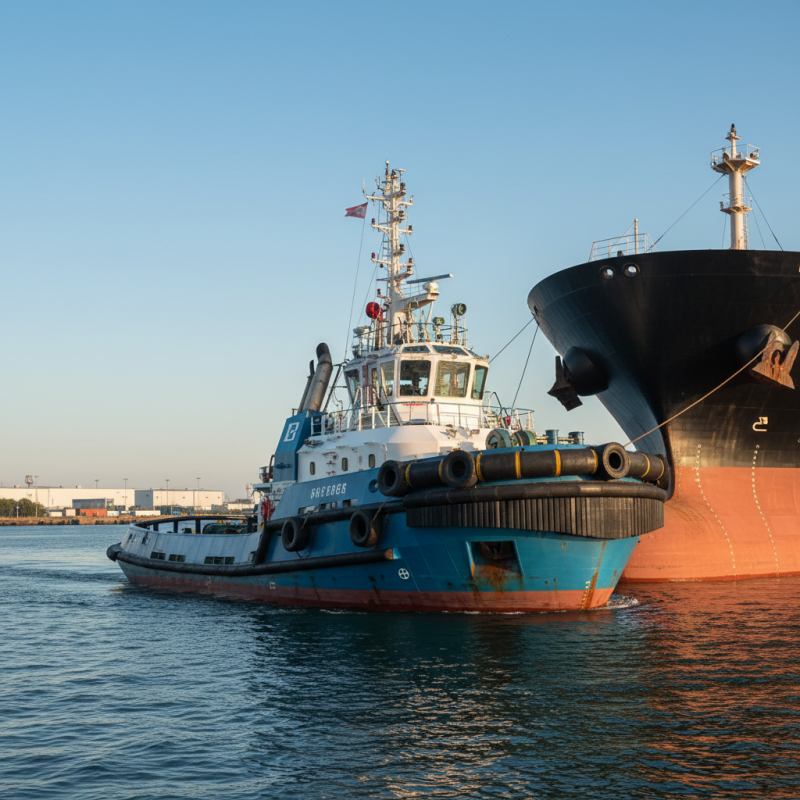
Understanding the Importance of Tugboat Fenders in Maritime Operations
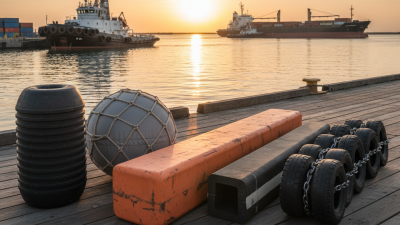
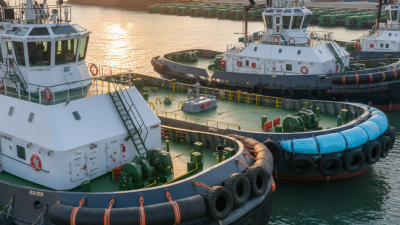
Tugboat fenders play a crucial role in maritime operations. They provide essential protection during towing and mooring tasks. Without proper fenders, vessels may suffer damage from collisions. This can lead to costly repairs and delays. The right fender absorbs impacts effectively, minimizing risks for both tugboats and the vessels they assist.
Choosing tugboat fenders involves understanding their materials and designs. Some fenders are made from rubber, while others are foam-filled. Each type has unique benefits depending on the operation's nature. Weather conditions can affect their performance too. It’s vital to assess the working environment before making a choice.
However, not every fender will suit all situations. What works in one scenario may fail in another. This challenge requires constant evaluation of fender performance. Regular inspection and feedback from crew members can provide valuable insights. Understanding the importance of fenders is not just about protection; it's about ensuring smooth and safe operations at sea.
Distribution of Tugboat Fender Types in Maritime Operations
This chart illustrates the percentage distribution of various types of tugboat fenders used in maritime operations, highlighting their significance in ensuring safety and efficiency.
Factors to Consider When Selecting Tugboat Fender Materials
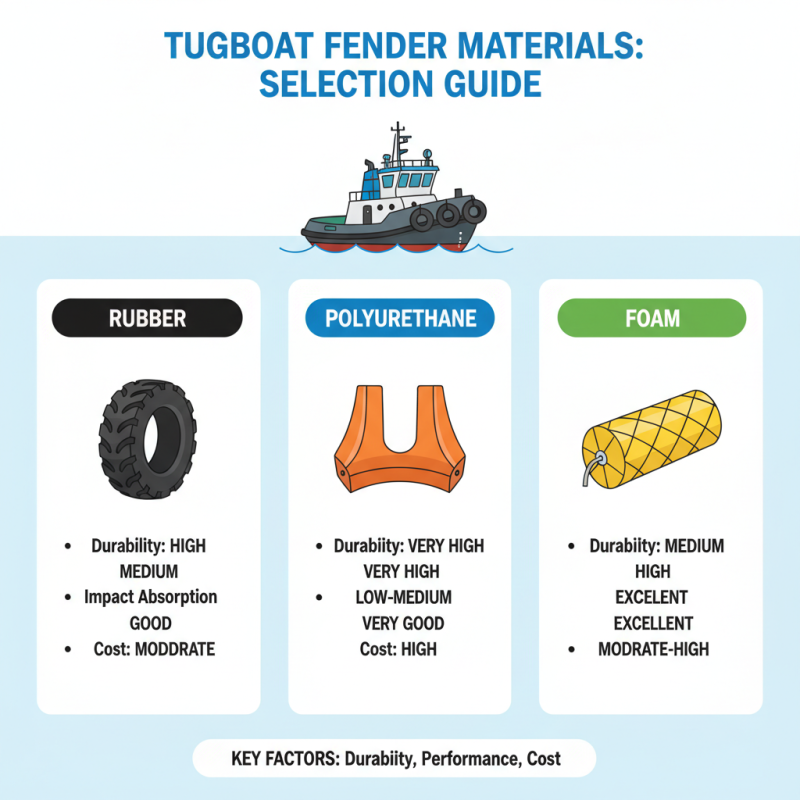
Choosing the right tugboat fender involves careful consideration of various factors. The material used for the fender is crucial. Typically, fenders can be made from rubber, polyurethane, or foam. Each material has different properties that affect durability and performance.
Rubber fenders offer excellent abrasion resistance and can withstand harsh marine conditions. They are heavy, making them stable but may not absorb shock as well as foam alternatives. On the other hand, foam fenders are lighter and easier to handle, yet they may require more frequent replacement due to wear and tear.
Maintenance is another essential factor. Materials like rubber can last longer but may need regular inspections to prevent deterioration. Foam requires consistent checks to ensure it remains buoyant and effective. User experiences often highlight that while rubber fenders last, they can be harder to install. This can lead to frustrations during frequent operations. Reflecting on these factors, it's clear that material choice significantly impacts performance, cost, and operational efficiency.
Evaluating Different Types of Tugboat Fenders and Their Applications
When selecting the right tugboat fender, it's essential to understand the different types available. Tugboat fenders come in various materials, such as rubber, foam, and air-filled options. Each material has unique benefits tailored for specific applications. According to a study by the Marine Fenders Association, rubber fenders are widely recognized for their durability and performance. They excel in rough conditions, making them ideal for harbor operations.
Foam fenders provide excellent energy absorption, making them suitable for areas with frequent vessel interactions. Their lightweight design simplifies handling and installation. However, foam fenders might not withstand extreme weather conditions as well as rubber. An industry report indicates that air-filled fenders, while versatile and cost-effective, require regular maintenance and inspection due to potential air loss.
Choosing a fender should also consider factors like vessel size and operational environment. A mismatch can lead to inadequate protection for both the tugboat and the vessel being assisted. This can result in increased wear and tear over time. User feedback highlights that many operators experience challenges in maintaining an appropriate fender inventory. This underscores the need for careful evaluation and planning based on specific operational needs.
Determining the Right Size and Shape for Your Tugboat Fender Needs
Choosing the right size and shape for your tugboat fender is crucial for effective mooring and vessel protection. Industry reports indicate that improper fender selection can lead to significant damage, costing repairs upwards of $50,000. Consider your tugboat’s specifications and the typical harbor conditions it encounters.
Fender size is determined by factors like the tugboat's displacement and the type of vessels it interacts with. A tugboat weighing around 500 tons often requires fenders with a diameter of at least 30 inches. Conversely, a lighter tug may need smaller fenders to ensure compatibility.
While selecting the shape, both cylindrical and square fenders have their specific advantages. Cylindrical fenders excel in providing even load distribution. Square fenders, however, offer superior resistance to lateral forces during berthing maneuvers. Consider the operational conditions and load factors as they can greatly influence your fender choice.
Tip: Regularly assess your fendering system for wear and tear. Maintenance prolongs life and reliability. Another tip: consult with industry experts who understand local conditions. Their insights can drive better, tailor-made decisions for your operations. Always aim for an optimal blend of size and shape that matches your unique tugboat needs.
10 Essential Tips for Choosing the Right Tugboat Fender
| Tip Number |
Tip Description |
Considerations |
Recommended Size |
| 1 |
Identify Your Tugboat Specifications |
Length, Width, Draft |
Varies based on vessel type |
| 2 |
Assess the Operating Environment |
River, Ocean, Port Conditions |
Medium to Large |
| 3 |
Determine the Weight and Size of the Vessels |
Tugboat vs. Tow |
Heavy-duty models |
| 4 |
Select the Right Material for Durability |
PVC, Rubber, Foam |
Flexible and strong |
| 5 |
Evaluate Fender Shape Options |
Round, Square, Cone |
Dependent on usage |
| 6 |
Consider Compression and Reaction Force |
Dynamic loads and impacts |
Medium Compression |
| 7 |
Analyze Fender Interaction with Docking Systems |
Compatibility |
Size per docking |
| 8 |
Plan for Maintenance and Replacement |
Longevity and wear |
Higher durability required |
| 9 |
Consult with Experienced Operators |
Get recommendations |
Fender feedback |
| 10 |
Review Price vs. Performance |
Budget considerations |
Cost-effective yet durable |
Maintenance and Care Tips for Prolonging Fender Lifespan
Proper maintenance of tugboat fenders enhances their durability and effectiveness. Routine inspections are crucial. Check for any visible signs of wear or damage. Any small punctures can expand and lead to more significant issues over time. Cleaning is equally important; debris can accumulate and degrade the material.
Storage also plays a role in longevity. When not in use, store fenders in a cool, dry place. Extreme temperatures can affect their integrity. It’s advisable to store them away from direct sunlight. Additionally, consider using protective covers when fenders are idle; this simple step can prevent unnecessary deterioration.
Regularly monitor the air pressure, if applicable. Maintaining the correct pressure ensures optimal performance and safety. It is essential to understand that neglecting these care tips can lead to premature fender failure. Striking a balance between use and maintenance is key for any operator. Practice diligence in caring for fenders to protect your investment and guarantee a safe operational environment.