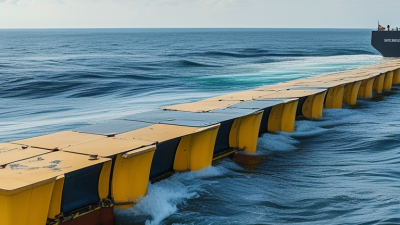
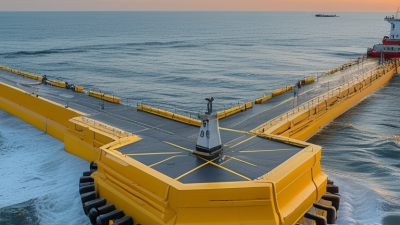
Top Tugboat Fender Solutions for Global Buyers How to Choose?
The tugboat industry plays a vital role in maritime operations, especially regarding safety and stability. Choosing the right Tugboat Fender is crucial for both efficiency and protection. Renowned expert Dr. Emily Sørensen, a marine engineering specialist, emphasizes, “High-quality fenders are essential for effective docking and safe operations.”
When navigating the competitive market, buyers must consider various factors. The type of materials used, fender size, and compatibility with different tugboats are critical. Each tugboat operates in unique environments that demand specific fender designs. However, many buyers overlook these factors during procurement. This oversight can lead to costly mistakes.
Moreover, the market is flooded with options, yet not all are reliable. Buyers need to be cautious. Inadequate research can result in poor choices and operational failures. Investing time in understanding the options available is necessary. Reliable suppliers often provide guidance, but do they prioritize quality? Reflecting on these aspects will lead to better decisions in selecting the right Tugboat Fender for specific needs.
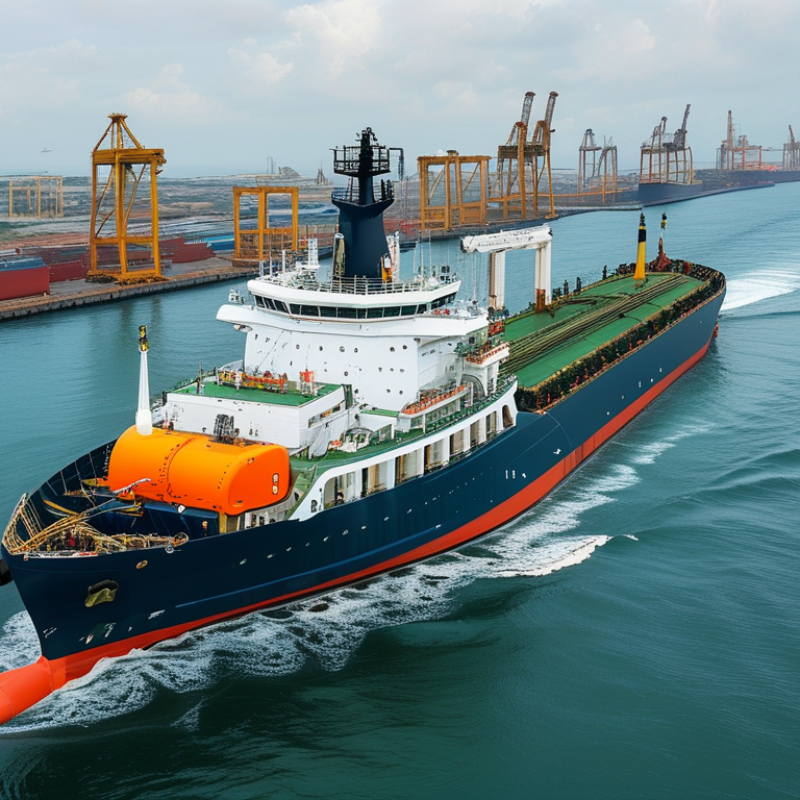
Understanding Tugboat Fenders: Types and Functions
Tugboat fenders play a critical role in docking and undocking operations. They protect vessels from damage during these maneuvers. Understanding the types of fenders available can guide buyers in making informed decisions.
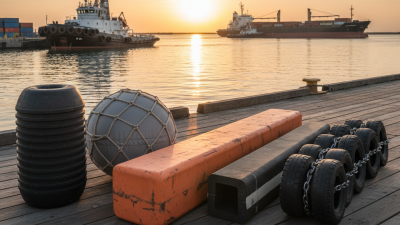
There are various types of tugboat fenders, such as cylindrical, cone, and square fenders. Each type has specific functions and suitability for different scenarios. For instance, cylindrical fenders are great for small vessels, while cone fenders excel in larger areas where angles are involved. The shape influences impact absorption, so selecting the right one is essential.
It's also important to consider material and durability. Common materials include rubber and foam, each offering distinct advantages. Rubber provides excellent resilience, while foam is lightweight and easy to handle. Reflecting on the environmental conditions where the fenders will be used can help in selection. Sometimes, buyers overlook these factors, leading to mismatches in performance and safety.
Key Factors to Consider When Choosing Tugboat Fenders
Choosing the right tugboat fenders is crucial for maritime operations.
Understanding key factors can enhance safety and efficiency.
Industry reports reveal that improper fender selection can lead to significant damage, costing operators thousands in repairs.
Therefore, assessing material types, sizes, and designs is essential.
Material choice impacts durability and performance.
For example, rubber fenders offer flexibility and shock absorption, while foam-filled fenders are lightweight with high energy absorption rates.
Data suggests that using the wrong material can decrease fender lifespan by up to 30%.
Moreover, size plays a vital role.
A fender too small can fail to absorb impact effectively.
Conversely, an oversized fender might be cumbersome and affect the vessel's maneuverability.
Another consideration is design compatibility with the vessel and port infrastructure.
Fenders designed for specific environments, like high-traffic ports or rough waters, often perform better.
The American Society of Testing and Materials (ASTM) provides guidelines for evaluating fender performance.
However, not all products adhere to these standards.
Many buyers overlook these factors, which could lead to mismatches and increased operational risks.
It is vital to conduct thorough research and seek expert advice when making such investments.
Evaluating Material Options for Tugboat Fender Durability
Choosing the right materials for tugboat fenders is crucial for durability and performance. Common options include rubber, foam, and plastic. Each material has strengths and weaknesses.
Rubber fenders offer excellent shock absorption. They are durable and can withstand harsh marine environments. However, they can be heavy and require more maintenance. Foam fenders are lightweight. They provide good energy absorption but may not last as long as rubber in aggressive conditions.
Plastic fenders are another choice. They are often less expensive and resistant to chemicals. Still, their performance may not match that of rubber or foam. It's essential to consider the specific operating conditions. Factors like water temperature, wave height, and frequency of use play a significant role.
Balancing cost, performance, and longevity is a constant challenge.
Evaluating these materials requires expertise. Buyers should consult with experienced suppliers. Understanding the application and the expected environment is critical. It may often lead to discovering unexpected insights into material performance. Reflecting on past choices can help in making better decisions for future fender solutions. Each option presents unique challenges and advantages. The right decision can significantly improve fender effectiveness.
Top Global Manufacturers and Suppliers of Tugboat Fenders
Choosing the right tugboat fender can be challenging for global buyers. Various materials and designs are available, each with unique benefits. For instance, rubber fenders are often favored for their durability and elasticity. According to industry reports, they can absorb significant impact forces, making them ideal for tugboat operations.
In addition to materials, the manufacturer’s expertise is crucial. Reports indicate that leading global manufacturers prioritize rigorous testing standards to ensure quality. However, not all companies adhere to these standards consistently, which raises concerns about reliability. A careful evaluation of suppliers is essential to ensure safe operations.
Fender selection is also influenced by regional operational conditions. Factors such as waterway traffic and environmental conditions can affect performance. Unfortunately, many buyers overlook these details. This oversight can lead to suboptimal fender performance, potentially escalating costs long-term. Therefore, understanding the specific needs of your fleet is vital for making informed decisions.
Maintenance Tips for Extending the Life of Tugboat Fenders
Tugboat fenders play a critical role in protecting vessels and docks during operations. Their longevity depends on how well they are maintained. Proper care not only extends their life but also enhances safety during dockings.
Regular inspections are crucial. Check for signs of wear and tear, especially after heavy usage. Look for cuts, abrasions, or any signs of deformation. Neglecting these inspections can lead to larger issues down the line.
Cleaning fenders is another essential practice. Use fresh water and non-abrasive materials to remove dirt and salt. This simple step prevents build-up that could degrade the material.
Storage matters too. Store fenders in a clean, dry area when not in use. Avoid leaving them exposed to harsh weather conditions for extended periods. High temperatures, sunlight, and moisture can significantly shorten their lifespan.