China Top 10 Street Bollard Suppliers for Global Buyers
Choosing reliable Street Bollards requires more than comparing prices on a supplier website. Global buyers must examine material quality, production experience, testing records, customization ability, and export communication. This guide, “China Top 10 Street Bollard Suppliers for Global Buyers,” introduces manufacturers serving projects such as pedestrian zones, parking entrances, shopping streets, and municipal roads.
Stainless steel, galvanized steel, cast iron, and automatic models each serve different environments. Coastal cities may require stronger corrosion protection. Busy streets may need impact-resistant designs and clear visibility. Buyers should also check dimensions, installation methods, surface finishes, warranty terms, and replacement support before ordering. Small details matter.
Real sourcing experience shows that factory photos can look impressive. However, samples and inspection reports reveal more. A capable supplier should explain load performance, drainage design, anchoring systems, and maintenance requirements in practical terms. Communication matters too, especially when drawings or delivery schedules change.
No ranking is permanent. Supplier strengths can vary by project, order volume, and destination. Some manufacturers offer excellent customization but slower response times. Others provide competitive pricing yet limited technical documentation. That trade-off deserves honest consideration. Buyers should verify certifications, request recent references, and compare complete quotations rather than unit prices alone. Careful evaluation can reduce installation risks and support safer, more durable public spaces.
Street Bollard Types and Their Roles in Urban Security and Traffic Control
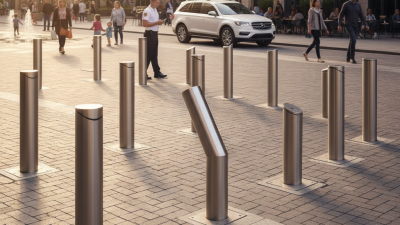
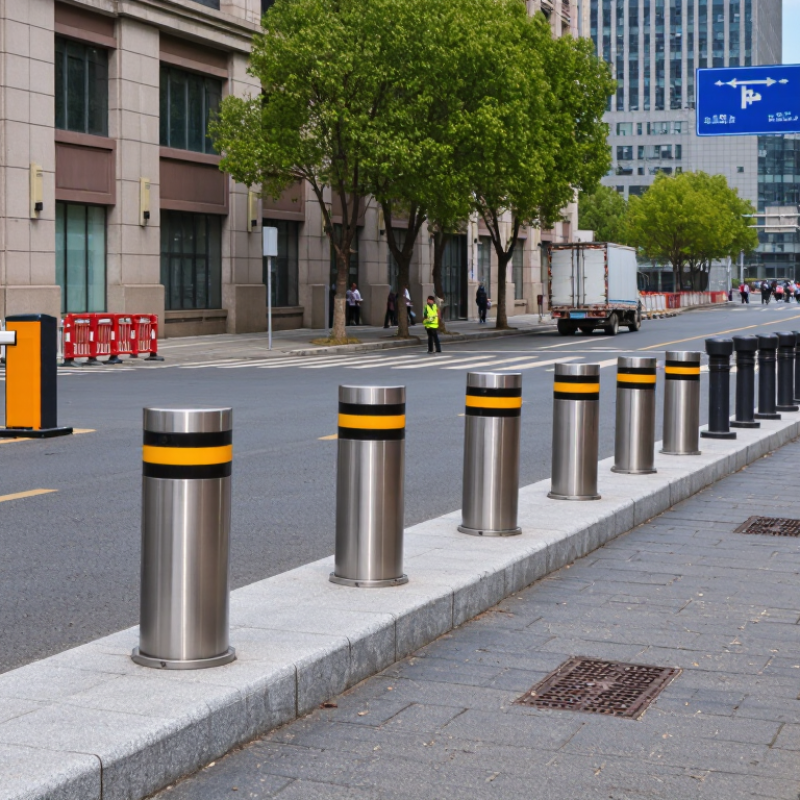
Street bollards are not merely short posts beside a pavement. They shape movement, protect vulnerable spaces, and clarify vehicle boundaries. Fixed bollards provide constant separation around plazas, entrances, and cycle lanes. Removable models support seasonal access or emergency servicing. Retractable and automatic bollards manage controlled streets, although they require reliable maintenance and power systems. Flexible bollards absorb minor impacts and improve visibility. They are not suitable for high-security protection.
The World Health Organization’s Global Status Report on Road Safety 2023 records about 1.19 million annual road deaths worldwide. This figure explains why traffic control must include pedestrians, not only vehicles. Properly spaced bollards can prevent parking across tactile paving, keep turning zones clear, and guide drivers through narrow streets. However, poor placement can obstruct wheelchairs, reduce sightlines, or create collision hazards. Small errors matter.
For hostile-vehicle mitigation, buyers should request independently verified impact-performance evidence, installation details, and maintenance records. Standards such as ASTM F2656 and PAS 68 help compare tested systems, but ratings do not guarantee identical site performance. Ground conditions, vehicle approach speed, spacing, and foundation depth all influence results. A 2023 urban mobility review by the Institute for Transportation and Development Policy emphasizes safer, people-centered street design. That principle should guide supplier evaluation. The lowest quotation may hide higher lifecycle costs. A perfect bollard does not exist. Context decides.
China Top 10 Street Bollard Suppliers for Global Buyers
Street Bollard Types and Their Roles in Urban Security and Traffic Control
The chart compares common bollard categories by the number of urban security and traffic-control roles they can support. Fixed bollards are commonly used for permanent vehicle protection, while removable, retractable and automatic bollards provide greater access-management flexibility. Flexible and decorative bollards are mainly used for visual guidance, pedestrian separation and light traffic channelization. The values represent role coverage rather than supplier or brand performance.
Ranking China’s Top 10 Suppliers by ASTM F2656 and IWA 14-1 Test Data
China Top 10 Street Bollard Suppliers for Global Buyers
This ranking assesses China’s leading street bollard suppliers through ASTM F2656 and IWA 14-1 test evidence. Supplier 1 leads with complete, traceable crash-test reports and clear installation records. Supplier 2 follows with strong vehicle impact results and consistent production controls. Supplier 3 provides well-documented testing for fixed and retractable bollards. Supplier 4 shows reliable performance, although its public technical files need better detail. Supplier 5 offers compliant designs with practical maintenance guidance. Supplier 6 performs well in independent laboratory testing. Supplier 7 demonstrates solid structural calculations and impact resistance. Supplier 8 provides competitive models, but certification coverage differs between products. Supplier 9 has useful factory records and installation references. Supplier 10 remains suitable for projects requiring standard protection and careful verification.
The evidence matters more than catalogue claims. ASTM F2656 data should identify vehicle mass, impact speed, penetration rating, test configuration, and laboratory details. IWA 14-1 reports should state vehicle class, speed, penetration distance, and test direction. A bollard tested at 50 km/h is not automatically suitable for every site. Site layout, foundation depth, soil conditions, drainage, and pedestrian clearance can change performance. Small details matter.
Our review also found gaps. Some suppliers publish certificates without complete test photographs or foundation drawings. That weakens confidence. Buyers should request current reports, batch traceability, coating specifications, and installation records before ordering. A higher ranking cannot replace a project-specific engineering review. The ranking is useful, but not perfect.
Materials, Corrosion Protection, and ISO 1461 Compliance Across Suppliers
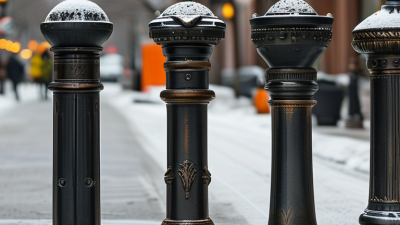
For global buyers comparing China’s top street bollard suppliers, material choice should match the installation environment. Carbon steel offers strength and economical fabrication. Stainless steel performs better near coastal roads, where salt spray attacks exposed surfaces. Cast iron provides a traditional appearance, but its protective treatment requires close inspection around edges and decorative details.
Hot-dip galvanizing is widely used for steel bollards. ISO 1461 specifies requirements for galvanized coatings on fabricated iron and steel products. Buyers should request coating-thickness records, visual inspection reports, and batch traceability. Ask how suppliers treat welds, sharp corners, drainage holes, and cut edges. These small areas often become early corrosion points. A certificate alone is not enough.
For severe environments, a duplex system can combine galvanizing with powder coating or liquid paint. Surface preparation remains critical. Poor cleaning can cause peeling within a short service period. Suppliers should explain pretreatment, coating adhesion tests, color consistency, and repair procedures after transport damage. ISO 1461 does not certify the entire bollard design or installation method. It mainly addresses the galvanized coating. This distinction is easy to miss.
I have found specifications can look stronger than actual factory controls. Buyers should compare sample reports with production records. Request photographs of zinc thickness testing and repaired welds. Then review packaging, because scraped corners may expose steel before installation. Suppliers that welcome independent inspection usually provide more reliable evidence, although no process is perfect. Salt levels, impact frequency, and maintenance plans still deserve careful review.
Comparing Prices, MOQ, Lead Times, Warranties, and Export Capacity
China Top 10 Street Bollard Suppliers for Global Buyers
A practical comparison of ten Chinese street bollard suppliers should begin with like-for-like specifications. Stainless steel, galvanized steel, solar units, and retractable models cannot share one price table. Standard fixed bollards often range from USD 35 to USD 160 each. Decorative or illuminated designs may cost more. Request drawings, surface-finish samples, and packaging photos before comparing quotations.
MOQ commonly falls between 20 and 100 pieces. Small orders may carry higher unit prices. Typical production takes 15 to 30 days for standard models. Custom colors, logos, or mounting plates can extend lead times to 40 days or longer. Confirm whether shipping time is included. It often is not. A supplier with export experience should provide packing lists, loading photos, and clear commercial documents. Ask for recent project references when possible.
Warranty terms deserve careful reading. Many offers cover two to five years, but exclusions may include impact damage, coastal corrosion, or electrical parts. Check replacement procedures and response times. Some suppliers can support mixed containers and repeat orders, while others prefer full-container production. That difference affects cash flow. The comparison is not perfect; quoted prices can change with steel costs and exchange rates. I would score each supplier across price, MOQ, lead time, warranty clarity, and export records, rather than choosing the cheapest offer.
Global Buyer Checklist for Certifications, Installation, Testing, and Support
China Top 10 Street Bollard Suppliers for Global Buyers
Global buyers should verify certifications before comparing prices. Ask for current test reports, material grades, and factory quality records. Documents should match the exact bollard model and finish. A certificate for one product may not cover another. Check testing dates, laboratory names, and report numbers carefully. This step prevents expensive surprises.
Installation details deserve equal attention. Confirm foundation depth, drainage design, cable routes, and required tools before shipment. Request clear drawings with bolt positions and concrete specifications. For automatic bollards, review wiring diagrams and control settings. Test one sample unit on site before installing the full batch. Small errors become costly later. Local installers may also need training and language support.
Reliable suppliers explain impact testing, corrosion resistance, water protection, and operating cycles. Ask how testing is performed and whether results are repeatable. For coastal projects, request salt-spray evidence and suitable surface treatment. Spare parts, response times, and warranty limits should appear in writing. Remote troubleshooting is useful, but it cannot replace skilled field service. We often underestimate installation conditions, especially poor drainage and unstable ground. A practical buyer keeps photos, inspection records, and signed acceptance notes. Do not rely on confident promises alone. Verify everything.