How to Choose the Right Parking Bollards for Your Needs?
Choosing the right parking bollards can seem overwhelming. With various options available, finding the best fit for your needs is crucial. Parking bollards serve multiple purposes, from enhancing safety to optimizing space. They act as critical barriers in protecting pedestrians and vehicles alike.
Understanding your requirements is essential for making an informed decision. Consider the location where the bollards will be installed. Different environments may demand different materials and designs. Think about the frequency of use and potential impacts, as not all bollards provide the same level of durability.
Consequently, some decisions may feel biased or influenced by trends rather than practicality. It's important to reflect on your specific context. Make sure to balance aesthetics with functionality. Quality should be a priority, but affordability matters too. An ideal choice might take time, patience, and consideration of these factors.

Understanding the Purpose of Parking Bollards in Urban Design
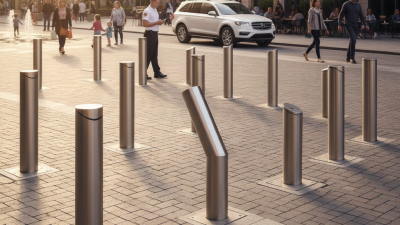
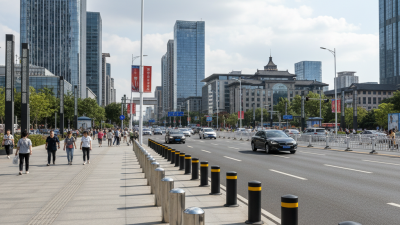
Parking bollards play a crucial role in urban design. They are not just functional but also significant for safety and aesthetics. In busy city areas, they guide traffic, protecting pedestrians from vehicles. Strategically placed, they create safe zones for people to walk and gather. The visual impact can enhance the street’s beauty while maintaining order.
Different environments require different types of bollards. For instance, residential areas might need softer designs, while commercial zones may benefit from more robust options. It’s essential to evaluate the specific needs. Incidents can arise when bollards are too low or poorly located. This can lead to misunderstandings about their purpose.
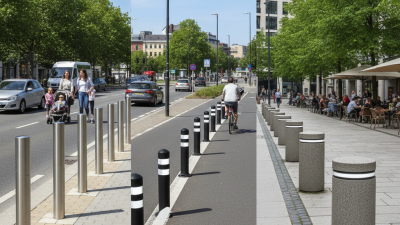
Educating stakeholders about effective bollard placement can significantly improve outcomes. Designing with purpose fosters not just safety, but also community engagement. Bollards can facilitate smooth traffic flow while encouraging public interaction. Reflecting on this balance is key for urban planners.
Identifying Your Specific Needs for Parking Bollards
When selecting the right parking bollards, understanding your specific needs is crucial. Assess your parking area and its surroundings. Are there high pedestrian traffic or vehicles that might stray? Choosing the right material and design can make a big difference. For instance, metal bollards offer durability, while plastic ones are lighter and more cost-effective.
Consider the level of security required. If you’re in a busy urban area, you might need more robust options. These could withstand impacts better. Also, think about aesthetics. The color and design of the bollards should fit the environment. Sometimes, the visual appeal is just as important as functionality.
Installation is another important factor. Can you install them yourself, or will you need professional help? This can affect your budget and timeline. Reflect on how often bollards will be moved or replaced. The best choice may not always be obvious. Careful thought can help you avoid costly mistakes.
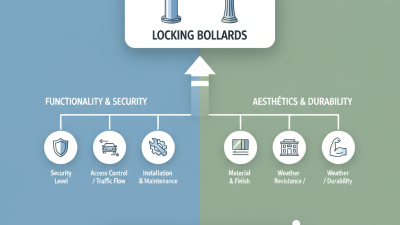
Parking Bollards Selection Criteria
Evaluating Different Types of Bollards and Their Features
When selecting the right parking bollards, it’s essential to evaluate their various types and features. Bollards come in different materials, such as
steel, concrete, and plastic. Each type has its pros and cons. For instance, steel bollards offer strength and durability,
making them ideal for high-traffic areas. However, they are more expensive and may rust over time. On the other hand, plastic bollards are lightweight
and affordable, but they may not withstand heavy impacts.
Consider the aesthetic appeal of the bollards as well. Some designs are more visually appealing, enhancing the landscape while providing safety.
Are you looking for a sleek design or a more rugged look? Additionally, think about their functionality.
Removable bollards offer flexibility for events and temporary setups. Yet, they may require more maintenance compared to fixed options.
Evaluating your specific needs is crucial. Each option carries aspects that may be overlooked. For instance, giving too much importance to appearance
might compromise safety and function. Reflecting on these points helps in making a well-informed choice.
Considering Material Durability and Maintenance Requirements
When choosing parking bollards, material durability is crucial. Different materials offer varying levels of protection and maintenance needs. Steel bollards provide strength but may rust without proper coating. Concrete options are robust but can crack over time, especially in cold climates. If aesthetics matter, consider polymer bollards, which resist fading but may not withstand heavy impacts.
Regular maintenance is necessary to extend the lifespan of bollards. Inspecting for rust or damage helps identify issues early. Cleaning bollards should be part of the routine. Dirt and grime can wear down finishes. It's essential to keep them looking good and functional.
Tips: Choose materials based on your local climate. Harsh conditions may require more durable options. Additionally, consider the environment where bollards will be placed. Urban areas may face more wear than suburban settings. Always assess the level of traffic and potential impacts they should withstand.
Assessing Legal Standards and Regulations for Bollard Installation
When selecting parking bollards, understanding legal standards is essential. Different regions have specific regulations regarding installation. Compliance ensures safety and avoids costly fines. Assessing local laws can be daunting. Often, these guidelines dictate placement, height, and strength. It’s crucial to know what your area requires.
Many property owners underestimate the importance of these regulations. This oversight can lead to dangerous situations. For example, improperly placed bollards may not protect pedestrians effectively. Clarity about local mandates helps in proper planning. Researching varies from county to county. Consult local authorities or building codes for detailed requirements.
Lack of research may lead to future issues. Compliance with legal standards can enhance public safety and may improve property value. It ensures that the bollards serve their intended purpose without complications. Taking the time to understand these aspects is a wise investment in both safety and adherence to the law. Always prioritize gathering accurate, relevant information before installation.